
 EN
EN
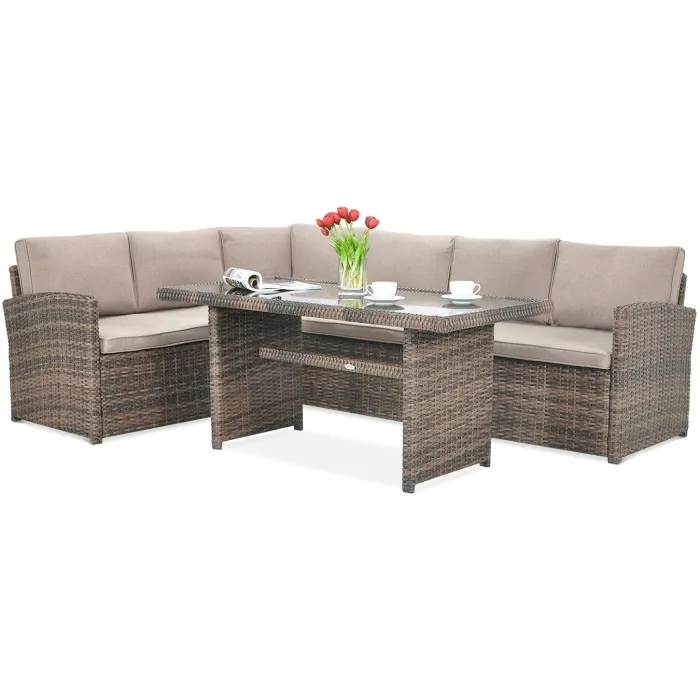
It is not about brand matching garden dining sets with other furniture, but about style compatibility. Outdoor furniture designs share more similarities, which makes for more cohesive spaces. Details like soft curves on lounge chairs can match with round cornered dining chairs, and dull metal finishes on both side table and dining table bases can visually connect different elements. Not having all furniture pieces match, but instead having connections made the space more designed and thought out. Consistent styling throughout the space enabled an effortless look, almost like someone planned how all the pieces would work together.
Hestia Construction reported in 2023, homes can incur a 12% perceived increase in value if outdoor spaces are designed cohesively. Besides the increase in value, consistently designed outdoor spaces offer more function. For example, seating at the same height enables easier conversation, which is ideal for those extended evenings outdoors. So what do you do with what's already there? Consider a garden table set that is harmonious with the other pieces. It may be the same shapes, materials, or even woven details and leg styles. These woven details may offer design cohesion, allowing the plants and home to be the star of the space. Rather than identical pieces, cohesive outdoor spaces have a design language that speaks to intentionality and functionality, where pieces feel like they belong.
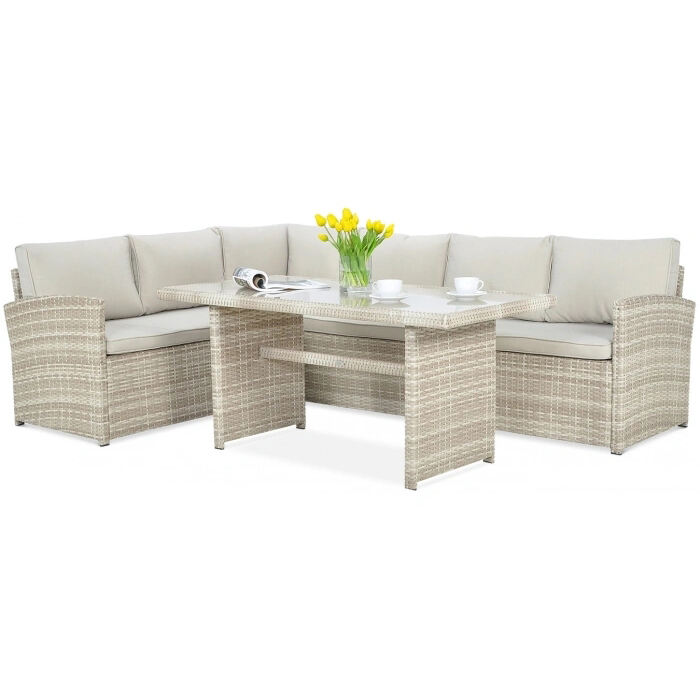
Material Harmony: Matching Your Garden Dining Set to Existing Furniture
Aligning thermal response, texture, and aging behavior across materials
When thinking about design for outdoor spaces that will last, it's vital to consider how materials will work together. Different materials may expand and contract with temperature changes, and some will degrade faster with sun exposure. For example, aluminum expands about 0.000012 m-m/°C, and with teak wood (wood in general) has little to no expansion until about 40 °C. These considerations really matter with how different materials will come together in pieces of furniture or in structures. Look for materials that will age similarly. For example, powder coated metal surfaces are known to change color consistently over time and match well with resin wicker that doesn’t age as fast. Materials that weather together help to ensure harmony instead of visual contrasts that look like one item is brand new and another is really worn down. There are a number of factors that need to be considered with the variety of selection available:
1. Thermal distortion: Metals conduct heat 15— faster than woods, creating surface temperature differentials
2. Moisture response: Solid woods swell seasonally; composites maintain dimensional stability
3. UV degradation: Synthetic rattan retains color three times longer than natural fibers under direct sunlightReal-life situation: Combining a powder-coated aluminum garden dining set and lounge pieces made of resin wicker.
With a dark bronze powder coating on the dining set, the wicker seats and the dining set are of the same texture and are impacted the same way by temperature. Although the aluminum and wicker are both cool to the touch under hot summer days, the aluminum and wicker surfaces are about the same in dullness and the matte aluminum frames look good and cool against the wicker surfaces. These materials age differently. While the aluminum develops a weathered look, the wicker maintains its same color, regardless of the season. The designers matched up all of the pieces, including the tapered legs and brushed nickel hardware, which made all the materials feel different, yet cohesive. Even though the garden setup is a centerpiece, the surrounding lounge chairs go well with it, having an industrial vibe, and with the same straight lines and clean shapes.
Using a Color Strategy to Blend Disparate Elements through a Thoughtful Selection of Colors
A color palette can be a powerful tool in creating a unified look from a collection of mismatched garden pieces. A color palette of three or four earthy, neutral colors (such as terracotta, slate grey, or olive) provides a unified foundation for a design scheme that utilizes different materials. These colors are suitable for wood, metal, and synthetic materials, and they won’t fade as seasons change.
Earthy neutral colors (terracotta, slate grey, olive) in a garden dining set
The terracotta cushions on those resin wicker chairs are a great match with the slate grey place mats on our teak garden table. This is a great example of how similar colors can be used to bring together disparate elements in outdoor areas. We also put olive green ceramic pots on the grey stone path, and it completes the look. There is a psychological reason for using earthy neutral colors that gives a feeling of calmness and stability. It is great to see that furniture that was seemingly randomly selected is now looking put together to the eye.
Color is an easy way to create cohesion because people recognize these things in that order and it's true when they see color harmony it is a fast way to give them a sense of cohesion (Journal of Environmental Psychology 2022). When trying to create new combinations, we recommend layering a sample of the fabric against other pieces in daylight, and take notes of color changes at different times of the day, as this is probably the most accessible Combining Strategies.
Design Continuity: Using Shape, Detail, and Finish for Uninterrupted Flow
Cohesive design allows different elements of outdoor furniture to work together, as opposed to sitting apart as random pieces. By aligning certain shapes, textures, and finishes, designers create a collection that “flows.” For example, a curved backrest on a chair goes well with a curve on a side table as well as a line from a storage unit’s metal handle. The design principle at work here is “visual rhythm.” This allows the brain and eye to seamlessly and effortlessly transition from object to object. A study published in the Journal of Environmental Psychology found that environments containing the same design elements as a collection of furniture look 60% better. These gardens look as though the designer took their time and thought, as opposed to selecting pieces from a place without consideration.
Repetition of unifying elements—tapered legs, matte black hardware, or woven back panels—to reinforce cohesion
Identify distinct features of the existing furniture like sharp angles or teak wood grains, and see if you can carry those points of detail through to the garden dining set. Consider a bench with beautiful integrated rattan weaving. It will complement the chairs with weaving that is equally dense and deep, giving a consistent touch satisfaction to everyone. Also pay attention to those details like the black screws that are a part of the side table construction. Just like the legs of the table. These elements show up again and again in new and different parts of the space and weave a sort of invisible thread throughout the entire collection, making the disparate items feel part of the same family as opposed to random design pieces.
Element Type Integration Strategy Cohesion Effect
Hardware Mirror finish/color on handles/fasteners Creates industrial consistency
Profile Shapes Repeat tapered angles in chair legs/table bases Enhances vertical rhythm
Textures Match wood grain direction or weave tightness Provides tactile continuity
Repetitive features result in an organic dignity: your set aids in the extension of other items rather than a singular addition and helps to distribute the space’s regard.
FAQ
Why is style compatibility important for outdoor spaces?
Style compatibility is important because all the components of outdoor spaces work together to create a harmonious and intended result. This increases the overall attractiveness, and usability.
How do materials affect the longevity and appearance of outdoor furniture?
The materials of outer furniture are the leading factors in their lifespan and appearance. Weathering, thermal reaction, aging, and UV degradation are all factors to consider in their durability. In addition, the materials must be compatible in use for a greater visual effect and durability.How does a coordinated color scheme affect the design of outdoor areas?
A unified color palette turns a design that includes disparate elements into one that is connected and integrated. The scheme focuses the eye and helps to establish visual links between disparate materials and styles. The palett also makes the design appear intentional.
What impact do design elements and materials do to create cohesion permeating an outdoor space?
The same shapes, materials, colors, and textures create a pattern that is visual and rhythmic. This promotes connection between disparate elements and reduces visual noise. Spaces feel unified and organized and the elements seem to belong together.