
 EN
EN
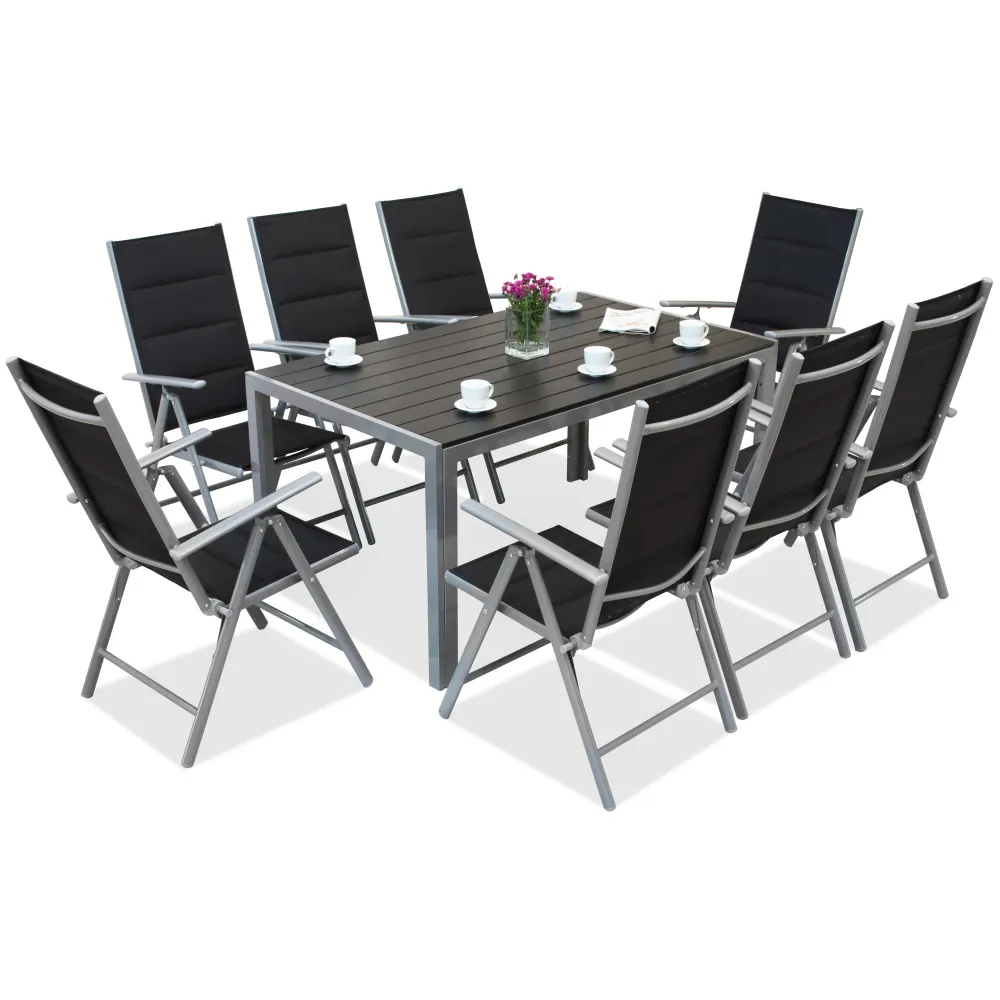
utdoor furniture made of teak wood and marine grade 316 stainless steel is the best choice because they have proven their worth for decades. Unlike other options, teak wood has a unique grain pattern and a natural oil finish that is resistant to water damage, rot, and insect infestations. Most customers are happy to report their teak wood furniture has a 15 to 25 year lifespan as long as they do a simple scrub and they oil the furniture once in a while. The 316 stainless steel also has a 10.5% chromimum and some added molybdenum which is a great feature because it develops a self-healing protective layer that prevents rust and corrosion, even in coastal salt air environments.
The salt spray tests and standards from the ASTM show that these metals can withstand serious marine conditions and exhibit no signs of wear throughout the service life of the metals. That is why the metals have become industry leaders. They have minimal maintenance demands compared to other alternatives available in the market.''
Material, Protection Mechanism, Lifespan, Ease of Maintenance
Teak, Natural oil retention, 15 - 25+ years, No chemical sealing required
316 Stainless Steel, Chromium-molybdenum oxide barrier, 30+ years, Salt, acid, and chemical corrosion resistant
Aluminum, HDPE, and Synthetic Rattan: Balanced Durability, Weight, and UV Resistance.
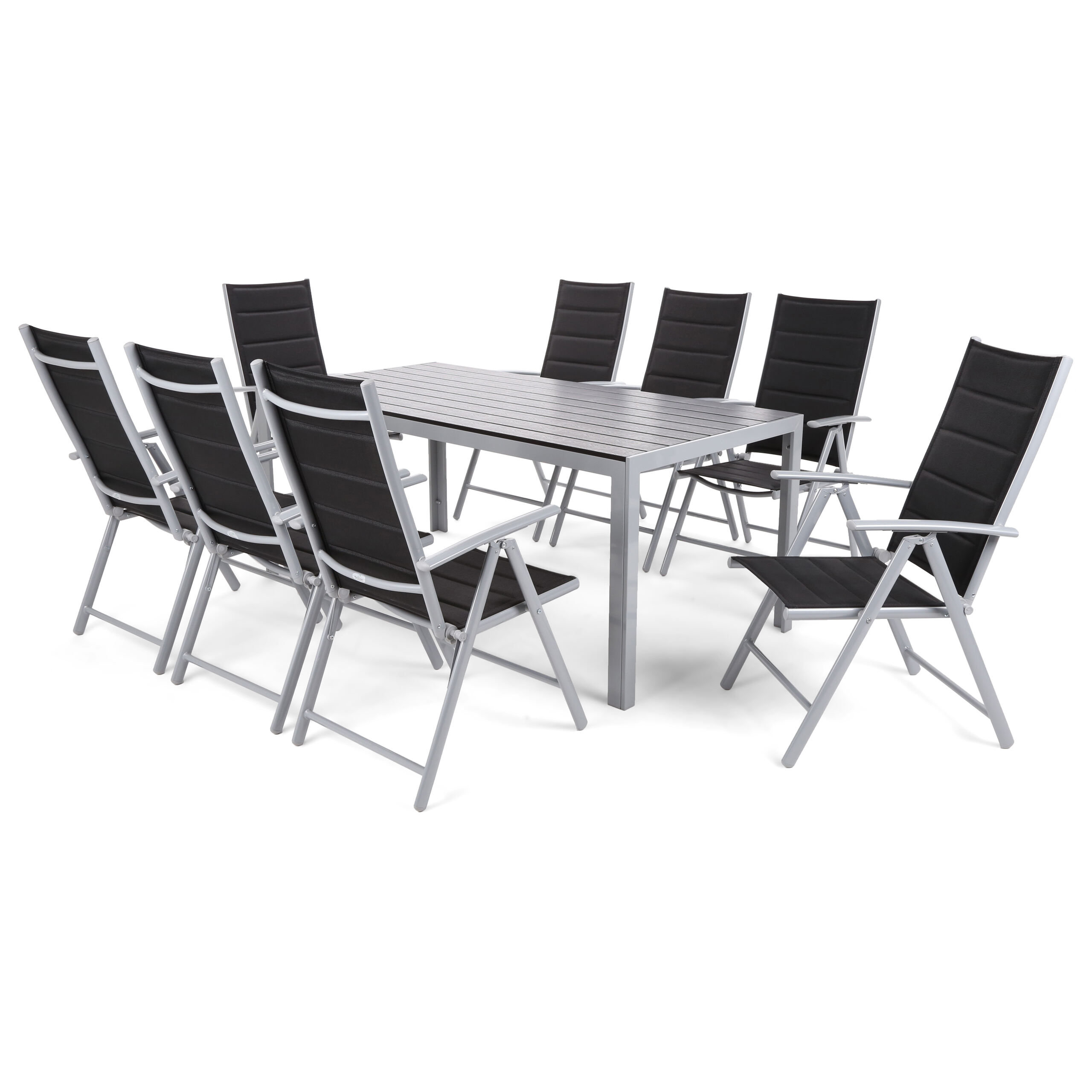
When it comes to things like weight, budget, and design flexibility, modern engineered materials really shine. For example, powder-coated aluminum alloys are fantastic! They are UV stable and pass ASTM G154 UV testing for more than 10,000 hours without chalking or peeling. They are processed to contain a stable oxide layer that forms during electropolishing. Next, recycled plastic HDPE lumber. It is UV stable, and retains its integrity during extreme temperature changes from -40 degrees to 60 degrees Celsius. It will not warp or crack. Even the color is stable throughout the material and not a surface coating. Finally, Synthetic rattan nicely combines UV protected polyethylene wicker strands with powder-coated aluminum frames.
Laboratory testing shows these synthetics outperform natural rattan in resisting moisture damage, sometimes achieving double the moisture resistance. What makes these materials so effective? It is because, unlike ordinary plant fibers that decompose, these composites inhibit all fungal growth. Maintenance is also easy; just an annual wash with soap and water is sufficient to keep it clean. No more tedious maintenance chores to do.
Environmental Exposure: How Climate Affects The Lifespan of Garden Furniture
Real Life Degradation Patterns: Coastal, Humid, and Nordic Conditions
The effects of weather on materials are not simply abstract, and as one example, consider the effects of weather on metals. Coastal locations also have salt in the air, which promotes the corrosion of metal parts. Within five years of exposure to air on the coast, unprotected steel, or low quality aluminum, loses approximately half of its strength, contrasted to the interior of the continent. A relative humidity of more than 60% promotes the growth of mold and mildew on the cushions. In warm and wet conditions, untreated pine boards rot out rapidly, whereas teak boards may remain serviceable for more than 15 years. In cold northern climates, the repeated freezing and thawing of the environment creates a temperature cycle that causes stress and fatigue in the materials of rigid plastics and adhesive bonds. These cycles create tiny fractures that may progress to gross cracking. In environments with salt or humidity, aluminum has a protective oxide coating that works great. However, there are limitations.
Accumulated salt deposits will regularly build up and eventually eat through the protective surface if the deposits are not washed away through regular cleaning.
UV Radiation and Thermal Cycling: How They Affect Accelerated Aging and Evidence from ASTM and Field Studies
Thermal cycling and UV radiation can increase the rate of deterioration of polymers and their coatings. ASTM testing standards indicate that the initial strength of commercial synthetic rattan is reduced by approximately 50% after 3,000 hours of exposure to UV light. That exposure is equivalent to two or three full summertime seasons of sunlight at the mid-latitudes. It turns out, the effects of UV radiation are compounded by the presence of temperature cycling and daily temperature extremes. For example, daily temperature swings of more than 15°C are sufficient to cause repeated cycles of expansion and contraction that would warp HDPE boards, and weaken welded joints on outdoor furniture. We witnessed this phenomenon during desert testing in Arizona where HDPE products exhibited deterioration three times as rapid as products in the same type of cooler European environment. Out there in the desert, the heat amplified the deterioration from UV radiation. Thankfully, there are products made with UV inhibitors, or that are UV protected, that have significantly longer times to failure. Independent testing has demonstrated that these treatments can increase the service life of outdoor products by 2 to 4 years.
Ways to Maintain Your Garden Furniture for 2-3x Longer to Last
Seasonal Cleaning, Protective Storage, Surface Treatments
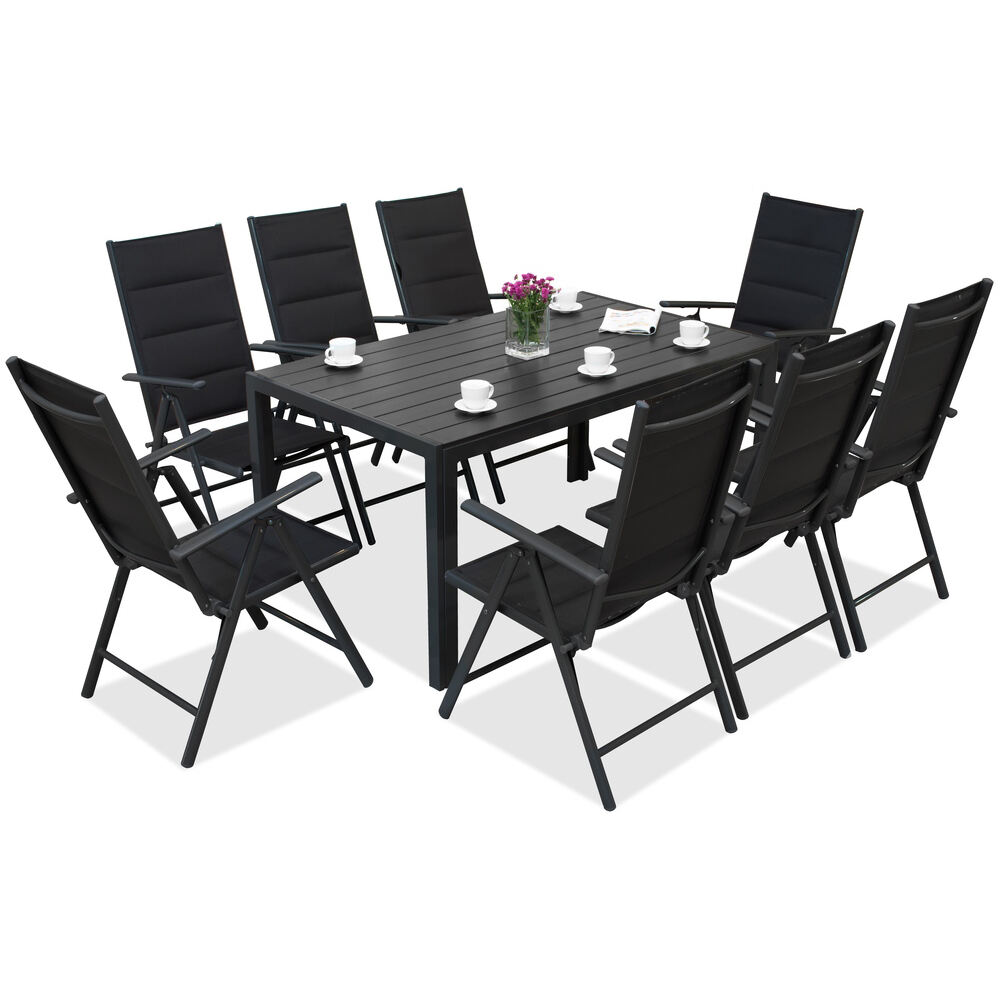
Regular maintenance changes what customers have for outdoor furniture. Most do not know that outdoor furniture can stick around for 3x longer if cleaned routinely. Seasonal indoor storage, then storage in protective covers, and then cleaning of all the pieces that make up the outdoor furniture. Grab zruit and clean the outdoor furniture, outdoor cushion covers need to be spot cleaned and the covers literally hosed at least to be molded free. Cleaning of the outdoor furniture pieces themselves, protective covers that dry and protective covers that do not trap water are essential. Repeat cleaning of protective covers too to avoid moul and dirt to collect, protective covers will need replaced as well if they begin to mold. Annual cleanings will be needed for teak UV protective coating, the outdoor furniture mold and rust to the hardware will be needed replaced too. Synthetic outdoor furniture will need to be refinished as the protective covers are.Studies show that these practices increase durability by about 30%. That means getting an additional 8 to 10 years from outdoor furniture. As they say, ‘the proof is in the pudding’ and regular maintenance for outdoor furniture is the best return on investment to improve an outdoor space.
FAQ
What materials are best for long-lasting outdoor furniture?
Teak wood and marine-grade 316 stainless steel last for 15 to 30+ years with minimal maintenance and are considered industry benchmarks for durability in outdoor environments.
How does climate affect outdoor furniture?
Salt air in coastal environments speeds corrosion in metals. High humidity and freezing temperatures can cause wood, plastic, and other materials to become damaged.
What maintenance practices can extend the life of garden furniture?
Outdoor furniture can last 2 to 3 times longer with regular cleaning, protective storage during bad weather, and UV protective treatments.