
 EN
EN
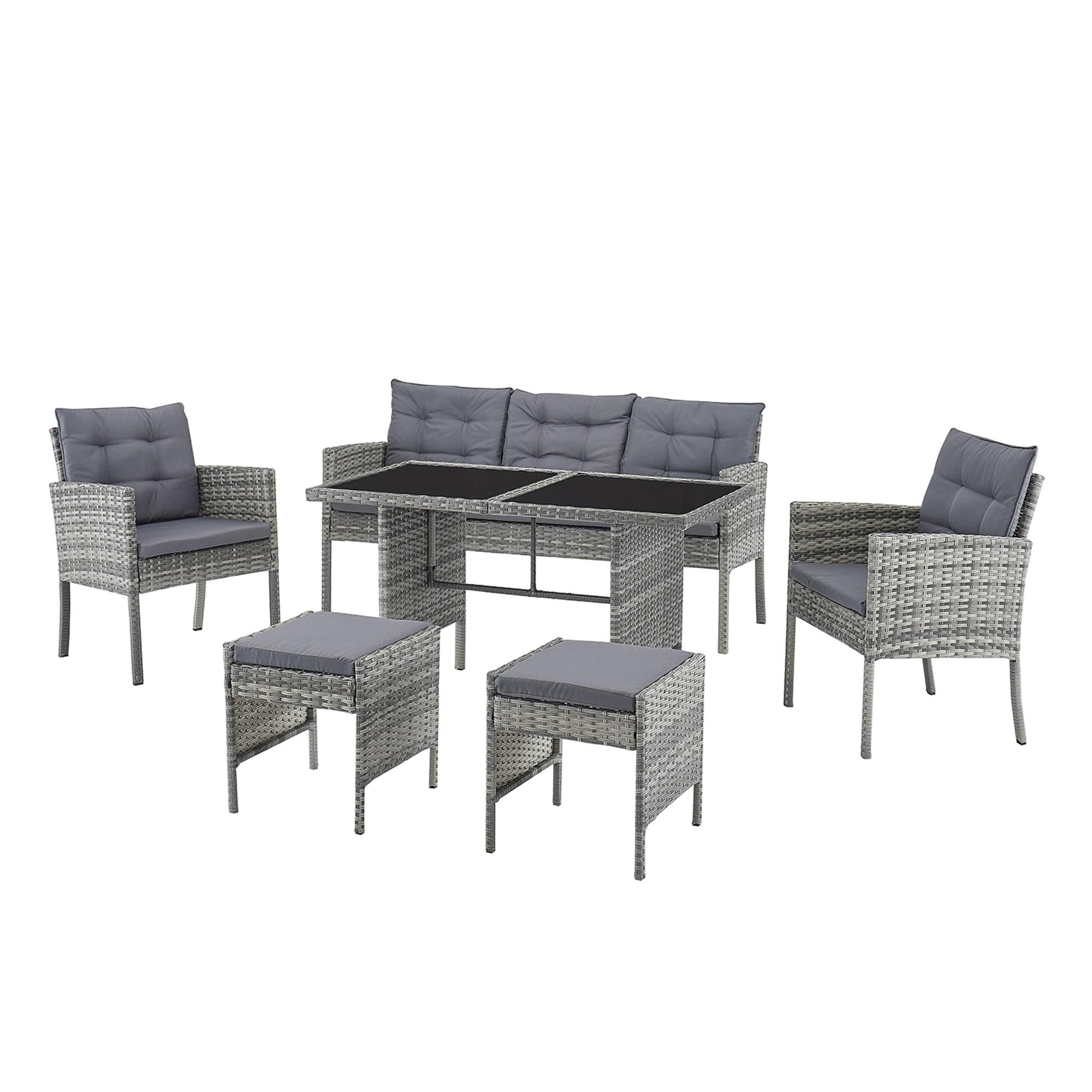
Engineered Weather Resistance: What Makes Outdoor Furniture Truly Last
Nobody buys patio furniture hoping it will fade, rust, or fall apart after one season. Yet walk through any neighborhood, and you will see exactly that—chalky plastic, peeling metal, and cushions that have lost all their color.
The difference between furniture that lasts and furniture that fails is not luck. It is engineering. Here is what actually goes into building outdoor furniture that can handle sun, rain, salt air, and everything in between.
UV-Resistant Materials: Stopping Fading Before It Starts
For patios that get hammered by direct sun, colorfastness is not a cosmetic concern—it is a structural one. Ultraviolet radiation breaks down chemical bonds in dyes and polymers, causing fading, chalking, and brittleness. Once the surface degrades, the material underneath becomes vulnerable to cracking and failure.
Top-tier materials fight this with built-in inhibitors. Solution-dyed acrylic fabrics embed pigment during fiber formation, so color runs all the way through each strand—not just on the surface. HDPE lumber and synthetic wicker incorporate UV stabilizers that absorb harmful rays and dissipate energy as harmless heat.
Powder-coated aluminum frames add a reflective shield that lowers surface temperature and reduces thermal aging. The powder coating itself is formulated to block UV rays and protect the metal underneath.
The numbers back this up. In accelerated weathering tests following ASTM G154—the standard practice for exposing non-metallic materials to fluorescent UV light—properly stabilized HDPE retains over 95% of its color after 3,000 hours. That is roughly equivalent to more than three summers of continuous daylight.
Together, these features preserve rich, uniform tones without repainting or reupholstering—even under full-sun exposure.
Rain, Humidity, and Salt Air: The Real Test of Durability
Sun is only half the battle. Patio furniture also has to withstand downpours, high humidity, and coastal salt spray—conditions that rust ferrous metals, swell wood, and foster mold on fabrics.
Corrosion-proof frames and quick-dry materials provide the defense. Marine-grade 316 stainless steel—which contains molybdenum for enhanced chloride resistance—endures over 1,000 hours of salt spray without pitting or red rust when tested to ISO 9227 standards. This is why 316 stainless is the go-to choice for coastal environments and poolside settings.
Powder-coated aluminum fully seals out moisture, while all-weather HDPE wicker repels water and resists fungal growth. Performance fabrics with open-cell structures drain rapidly and dry in minutes, preventing mildew before it starts.
Thoughtful design details—like sloped seat pans and weep holes—eliminate standing water. Unlike ordinary wood or plastic, these engineered materials avoid cracking, warping, and deterioration. By pairing impervious metals with hydrophobic textiles, modern patio collections deliver exceptional resilience with minimal upkeep.
Poolside-Ready: Rust-Free Frames and Quick-Dry Fabrics
Poolside furniture faces a unique set of challenges: constant splashes, chlorine exposure, and high humidity. The right combination of materials makes all the difference.
Aluminum—especially when powder-coated—is naturally rust-proof, lightweight, and stays cooler in full sun than metal alternatives. Built-in drainage holes prevent internal water pooling. Marine-grade 316 stainless steel offers superior resistance to chlorinated water and salt air, reliably lasting 15 years or more with minimal care.
While aluminum delivers cost-effective versatility and easy repositioning, stainless steel provides the strength needed for high-traffic commercial pool decks. Both eliminate rust risk and require only occasional rinsing with fresh water and mild soap. Untreated iron or standard steel should be avoided near splash zones—they corrode rapidly, compromising both safety and aesthetics.
Quick-dry fabrics like high-quality mesh and sling materials are engineered specifically for humid pool environments. Their open-weave or heat-set construction promotes rapid airflow and drainage. Solution-dyed acrylic and polyester fibers repel moisture and resist UV-induced fading far better than natural cotton or linen, which absorb water and degrade quickly.
After splashes or summer showers, these performance textiles dry within minutes. Cushion-optional designs or removable, waterproof covers further reduce maintenance. Soft to the touch yet mold-resistant and colorfast, they keep poolside furniture fresh and inviting year after year.
Teak, Aluminum, and Resin Wicker: A Practical Comparison
Homeowners weighing low-maintenance outdoor furniture often balance ease of care with premium aesthetics. Here is how the three most popular materials compare:
| Material | Maintenance Effort | Visual Appeal | Best For |
|---|---|---|---|
| Teak | Occasional oiling to retain golden hue; if left to weather naturally, only light scrubbing needed | Rich warmth; develops elegant silver patina over time—a high-end natural look | Those who value natural materials and organic evolution |
| Aluminum | Wipe clean with mild soap; powder-coated finish resists scratches and corrosion—no painting required | Sleek modern lines; diverse color options; lighter visual weight ideal for contemporary spaces | Zero-maintenance modern style |
| Resin Wicker | Rinse with hose; no sealing needed; resistant to mold and fading; occasional deep clean maintains brightness | Realistic woven texture; cozy charm without splinters; consistent color retention for years | Inviting texture with minimal effort |
Aluminum leads for modern, maintenance-free style. Resin wicker delivers warmth and texture with very little upkeep. Teak offers timeless beauty with a moderate maintenance tradeoff—ideal for those who appreciate natural materials and how they age.
How Manufacturers Actually Test for Durability
Outdoor furniture must endure dramatic temperature swings without warping, cracking, or losing structural integrity. Leading manufacturers validate performance through thermal shock testing—rapidly cycling between extreme heat and cold to ensure frames and surfaces remain dimensionally stable.
One testing protocol includes transitioning materials between 158°F (70°C) and -4°F (-20°C) chambers. This simulates the kind of temperature extremes that can cause joints to loosen, finishes to crack, and materials to fail.
Simultaneously, colorfastness is verified using accelerated UV exposure chambers that simulate years of sunlight in weeks. Premium materials—including powder-coated aluminum and solution-dyed acrylic fabrics—consistently demonstrate less than a 5% color shift after the equivalent of five years of full-sun exposure.
This dual validation—thermal stability and color retention—guarantees both enduring structural strength and vibrant appearance, season after season.
Lessons from Real Installations
In a coastal hotel project we reviewed, the original patio furniture used standard steel frames with surface-applied paint. Within 18 months, rust was visible on every piece. The hotel replaced everything with powder-coated aluminum and marine-grade stainless hardware. Five years later, the furniture still looks nearly new—and maintenance costs have dropped by over 80%.
Another example: a residential patio with full southern exposure. The owner had purchased solution-dyed acrylic cushions after their previous set faded within one summer. After three years of direct sun, the new cushions show no visible fading. The upfront cost was higher, but the owner has not had to replace a single cushion since.
These are not exceptional cases. They are the predictable outcome of choosing materials that are engineered for the environment they will actually live in.
What to Look for in a Supplier
For companies that manufacture or supply outdoor furniture, weather resistance is not a marketing claim—it is a competitive advantage.
A supplier that understands material science can:
-
Provide documented test results for UV stability and corrosion resistance
-
Specify the exact grade of materials used (e.g., 316 stainless vs. 304)
-
Offer clear maintenance guidelines that match real-world conditions
-
Stand behind their products with meaningful warranties
When evaluating outdoor furniture, ask about the testing protocols. Do they use ASTM G154 for UV testing? Do they verify salt spray resistance per ISO 9227? Have they conducted thermal shock testing?
These questions separate suppliers who treat durability as a specification from those who treat it as a talking point.
FAQ
What are UV-resistant materials, and why are they important for outdoor furniture?
UV-resistant materials are designed to minimize fading and degradation caused by sunlight exposure. They preserve color, structural integrity, and appearance over extended periods of full-sun exposure.
How does aluminum compare to stainless steel for outdoor furniture?
Aluminum is lightweight, rust-proof, and cost-effective—versatile and easy to reposition. Stainless steel, particularly marine-grade 316, is heavier and offers superior durability, making it suitable for high-traffic areas or coastal environments prone to salt-air exposure.
What makes quick-dry fabrics ideal for poolside settings?
Quick-dry fabrics have an open-weave or heat-set structure that promotes airflow and rapid drainage, preventing sogginess and mold formation. Synthetic fibers like solution-dyed acrylic repel moisture and resist fading.
How is teak maintenance different from aluminum and resin wicker?
Teak requires occasional oiling to maintain its golden hue, or it can be left to develop a natural silver patina with minimal scrubbing. Aluminum and resin wicker are virtually maintenance-free, requiring only cleaning with mild soap or water.
What tests ensure the durability of outdoor furniture?
Outdoor furniture undergoes thermal shock testing, UV exposure testing (ASTM G154), and salt spray testing (ISO 9227) to ensure resilience against temperature extremes, sunlight, and corrosive environments.