
 EN
EN
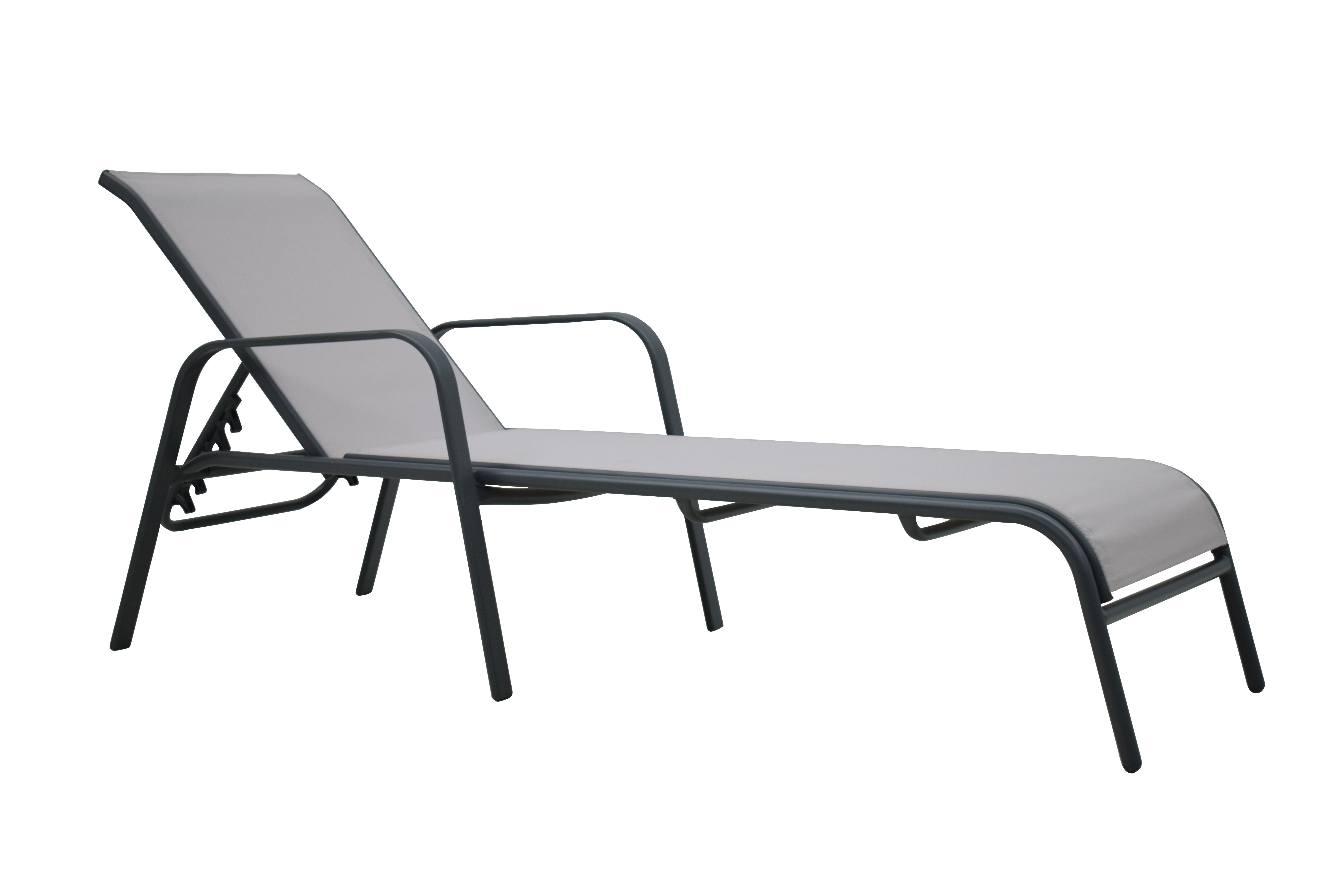
A high-quality sun lounge is engineered with professional ergonomics, not just basic seating comfort. Recline angle, lumbar support, and seat depth determine long-term relaxation health. Combined with weather-resistant materials and upgraded smart features, modern sun loungers deliver stable comfort for poolside, coastal, and outdoor resort use.
Core Ergonomic Principles of Sun Lounge Comfort
Three key geometric parameters define true outdoor lounge comfort, complying with ISO 9241-5 and ANSI/BIFMA G1-2023 seating standards.
Optimal Recline Angle
The ideal backrest recline angle ranges from 105° to 110° from horizontal. It perfectly maintains the spine’s natural S-curve and reduces neck fatigue during long resting hours.
Essential Lumbar Support
Without fitted lumbar support, the lower back loses full contact with the lounge frame. Pressure concentrates on only 20% of spinal discs. Cornell Ergonomics (2022) confirms this misalignment increases body discomfort by 40% after one hour of static lying.
Standardized Seat Depth
A seat depth of 16–18 inches fits most adult body shapes and ensures even weight distribution. Depth over 20 inches forces shorter users to slide forward, compressing leg blood vessels and affecting circulation.
Fixed vs Adjustable Recline: Coastal & Outdoor Durability
Fixed-Recline Sun Loungers
Fixed welded structures have no corrosion-prone hinge gaps. They are 15–20% lighter and last 3–4 times longer in salt-air coastal environments. With zero mechanical maintenance, they are the best choice for high-traffic resorts and public pools.
Adjustable-Recline Sun Loungers
Multi-position ratchets and gas struts support angles from upright 30° to full 180° flat lying, suitable for reading, dining, and napping. However, movable gaps easily accumulate chlorine water and sunscreen residue, requiring regular cleaning and lubrication to avoid jamming.
Best Outdoor Materials: Comfort & Weather Resistance
Quick-Dry UV Fabric vs Cooling Gel Cushions
- Solution-dyed acrylic & olefin fabric: Blocks over 95% UV rays (AATCC 16-2016), fast-drying, mildew-proof, colorfast, ideal for all-day poolside use.
- Cooling gel cushions: Offers instant cooling touch but degrades under high heat above 95°F and easily stores moisture, causing long-term deformation and bacteria growth—better for shaded occasional use.
Powder-Coated Aluminum vs Natural Teak Frame
- Powder-coated aluminum: Rust-proof, lightweight, easy to move. Damaged coating leads to overheating under direct sunlight.
- Sustainable teak: Contains natural waterproof oil. It stays 15–20°F cooler than aluminum in full sun (University of Florida, 2021), with stable texture and elegant weathering performance for long-term outdoor use.
2024 Smart Sun Lounge Design Trends
Modern sun loungers evolve from simple reclining chairs to adaptive outdoor comfort systems.
- Integrated retractable canopies: Seamless sun shading without extra accessories.
- Built-in misting systems: Lowers ambient temperature by up to 10°F (ASHRAE 2023) for instant heat relief in hot climates.
- Modular combination design: Magnetic splicing allows free combination into large daybeds or independent single lounges, with embedded side tables for safe, tidy outdoor layouts.
FAQ
What is the best recline angle for a sun lounge?
105°–110° is the ergonomic standard angle to protect spinal curvature and reduce neck strain.
Why is lumbar support important for sun loungers?
It balances spinal pressure, reduces disc load, and prevents body soreness after long-time lying.
What materials work best for poolside loungers?
UV-resistant quick-dry acrylic/olefin fabric and natural teak are the most practical and durable options.
Fixed or adjustable loungers better for coastal areas?
Fixed-recline loungers feature no corrosion gaps, delivering better durability and lower maintenance in coastal salt environments.
How do integrated misting systems improve comfort?
Fine water droplets evaporate instantly, reducing perceived temperature by up to 10°F in hot outdoor conditions.