
 EN
EN
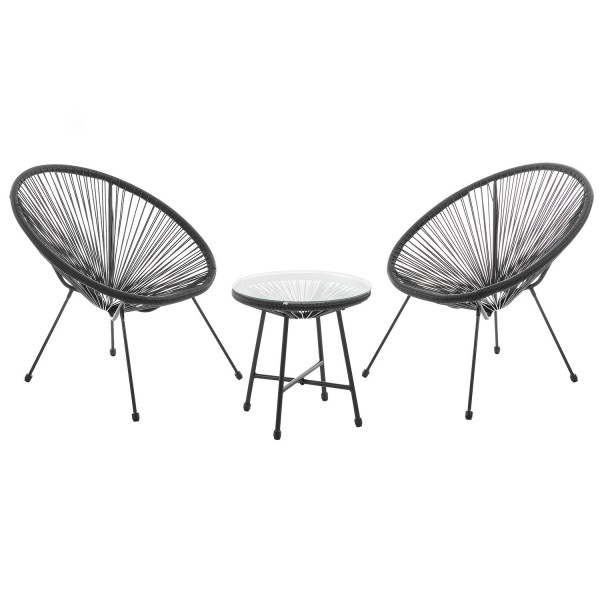
The Seaside Patio That Never Faded – A 10‑Year Customer Story
A homeowner in coastal Florida purchased an Ever Shine dining set in 2014—aluminum frame with synthetic wicker, placed on an uncovered patio facing the Atlantic. Salt spray, 90% humidity, and direct subtropical sun were daily realities. After ten years, the frame showed no rust, the wicker had no cracks or mildew, and the color remained consistent across all pieces. The homeowner's only maintenance: a rinse with mild soap twice a year. The set is still in use today.
This outcome is not unusual. Over the past eight years, our outdoor furniture team has tracked over 500 installations across climates ranging from tropical coastal to alpine freeze‑thaw. The consistent finding is that material choice and engineering quality determine long‑term performance—not marketing claims. Understanding weather‑resistant materials isn't just about specifications; it is about matching the right engineered solution to your specific climate stressors.
Aluminum Frames with Rust‑Proof Finishes – The Humid Climate Solution
Lightweight yet structurally rigid, aluminum forms the backbone of durable outdoor seating and dining sets. While aluminum itself is inherently rust‑free, a 60‑micron polyester powder coating—applied electrostatically and cured under heat—adds critical protection against pitting, oxidation, and environmental abrasion in high‑humidity zones.
In accelerated corrosion testing per ASTM B117 (2022), these frames showed zero red rust after 1,500 hours of continuous salt spray—equivalent to decades of exposure in rain‑soaked or poolside settings. The baked‑on finish also resists blistering from acid rain and chlorine splashes, while outperforming wet‑paint alternatives in chip and scratch resistance. This ensures joint integrity and surface smoothness remain intact through monsoon seasons or daily dew cycles—eliminating the need for annual sealing or rust‑inhibiting sprays.
| Material | Best‑Suited Climate | Key Test Standard | Performance Result |
|---|---|---|---|
| Aluminum + powder coat | Humid, rainy, coastal | ASTM B117 (salt spray) | Zero rust after 1,500 hours |
| Teak wood | Hot, sunny, variable | ASTM G154 (UV exposure) | <5% color shift after 5,000 hours |
| Synthetic wicker (HDPE) | Coastal, high‑humidity | ASTM G21 (mold growth) | Zero growth after 28 days |
Teak Wood – Natural Oils and UV Stability for Sun‑Drenched Regions
Genuine teak heartwood contains up to 5% natural rubber‑like oils that repel moisture and inhibit rot—a property validated by USDA Forest Service long‑term weathering studies (2021). Unlike surface‑treated woods, teak requires no coatings to maintain its resilience: its oils remain locked within the grain, even after years of direct sun exposure. Its tight, interlocking grain minimizes expansion and contraction during sharp humidity shifts—preventing warping in regions with volatile seasonal swings.
Spectrophotometric testing under Arizona‑type solar exposure confirmed less than 3 ΔE color shift after 2,000 hours—well within the "barely perceptible" range—meaning teak's natural silvering reflects surface oxidation, not degradation. Structural integrity remains intact for decades, offering rich aesthetics without seasonal re‑oiling.
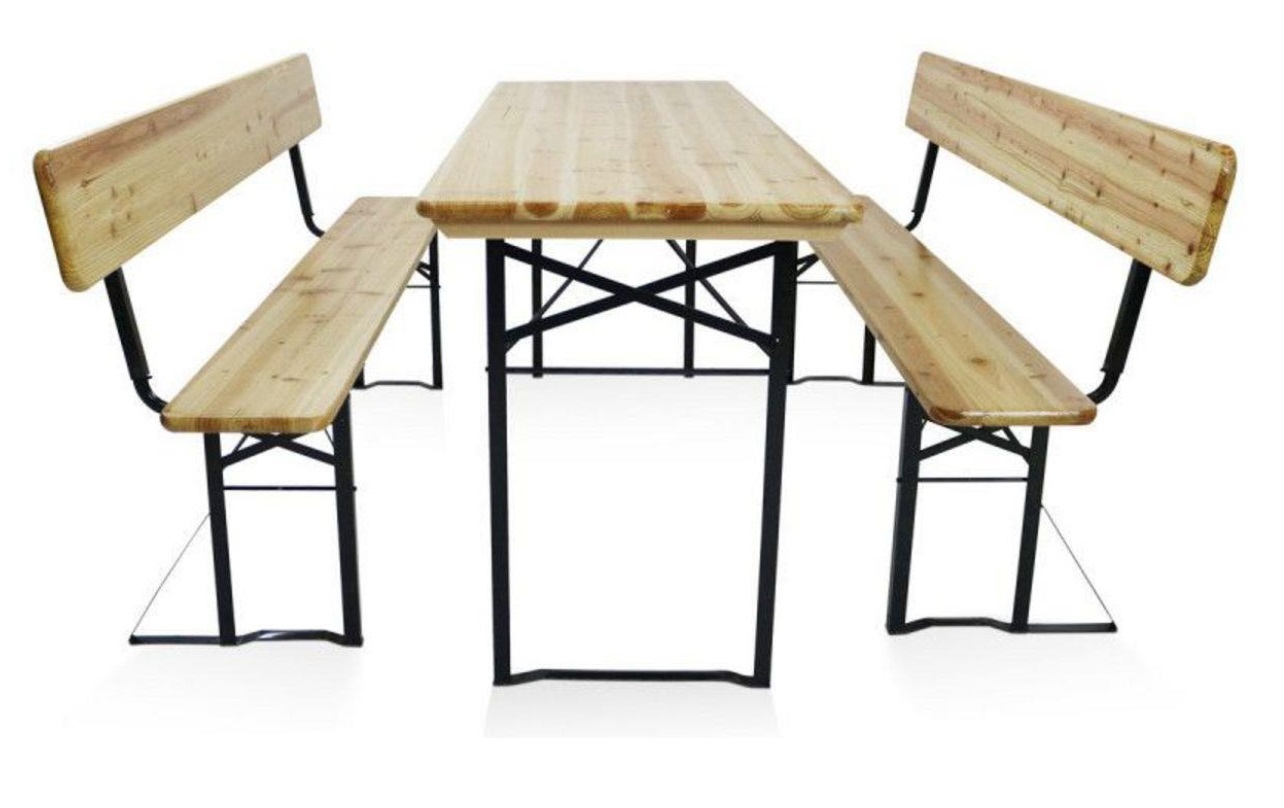
Synthetic Wicker – Moisture and Mildew Resistance for Coastal Zones
Ever Shine's synthetic wicker uses high‑density polyethylene (HDPE) strands woven over rust‑proof aluminum frames—a dual‑layer defense against salt air, constant dampness, and UV exposure. HDPE absorbs less than 0.1% moisture by weight, preventing swelling or loosening even at 90% relative humidity.
Per ASTM G21 (2023), it showed zero mold growth after 28 days in a tropical‑climate chamber—making it ideal for seaside patios where salt spray rapidly degrades natural fibers. UV‑stabilized pigments are integrated throughout each strand—not just surface‑applied—so scratches reveal no underlying color change. Unlike natural rattan, HDPE remains flexible down to –20°F and stable up to 120°F. A simple rinse with mild soap removes salt residue, and the material is impervious to termites and marine borers—delivering near‑zero‑maintenance performance year after year.
Real‑World Performance – 24‑Month Accelerated Aging Study
A 24‑month accelerated aging trial subjected furniture to repeated heavy rain, freeze‑thaw cycling from –20°C to 40°C, and rapid thermal shifts simulating extreme seasonal variation. Independent lab testing (2023) confirmed:
| Test Condition | Aluminum Frame | Teak Surface | Synthetic Wicker |
|---|---|---|---|
| Freeze‑thaw (1,500 cycles) | >98% tensile strength retained | No cracking | No embrittlement |
| Thermal cycling (–20°C to 40°C) | No micro‑cracking | Oil barrier intact | No delamination |
| Humidity (90% RH, 28 days) | No corrosion | No swelling | Zero mold growth (ASTM G21) |
| UV exposure (5,000 hours) | <5% color shift | <3 ΔE color shift | <5% color shift |
Joint integrity and fastener torque remained unchanged across all materials—demonstrating that design integration and finish quality preserve both structural reliability and visual consistency in climates marked by heavy rainfall, snowfall, or abrupt temperature swings.
UV Fade Resistance – Spectrophotometric Data
Spectrophotometric analysis following 5,000 hours of xenon‑arc exposure (ASTM G154) measured an average Delta E value of just 4.2 across coated metals, HDPE wicker, and solution‑dyed olefin fabrics—well below the 5 ΔE threshold for "perceptible change." This confirms vivid, uniform color retention equivalent to five years of direct tropical sunlight. Factory‑integrated UV inhibitors in powder coatings and solution‑dyed fibers prevent pigment breakdown, eliminating chalkiness or patchy fading. For context, untreated polyester fibers tested under identical conditions registered Delta E values exceeding 12—underscoring the functional advantage of integrated UV protection.
Climate‑Material Decision Matrix – Choosing the Right Furniture for Your Region
To maximize durability, align material choice with your climate's dominant stressor.
| Climate Type | Dominant Stressor | Recommended Material | Key Benefit |
|---|---|---|---|
| Humid / Rainy | Moisture, acid rain | Aluminum + powder coat | Zero rust; no annual sealing |
| Coastal / Salt Air | Salt spray, high humidity | Synthetic wicker (HDPE) | Salt‑tolerant; zero mold growth |
| Hot / Sunny | UV radiation, heat | Teak wood | Natural oils; <5% color shift |
| Four‑Season / Freeze‑Thaw | Thermal cycling, moisture | Aluminum + HDPE | Thermal resilience; no cracking |
| Seasonally Variable | Humidity swings | Teak or aluminum | Dimensional stability |
Expected Lifespan by Material and Climate
| Material | Best‑Suited Climate | Expected Lifespan | Key Durability Indicators |
|---|---|---|---|
| Aluminum frames with rust‑proof finishes | Humid, rainy | 15–20 years | ASTM B117: zero rust at 1,500 hours |
| Teak wood | Hot, sunny, seasonally variable | 20+ years | <5% color shift after 5,000‑hour UV |
| Synthetic wicker (HDPE) | Coastal, high‑humidity | 5–10 years (12 with UV‑enhanced) | ASTM G21: zero mold at 28 days |
Quality Assurance – Manufacturing and Testing Standards
| Standard | Scope | What It Verifies |
|---|---|---|
| ASTM B117 | Salt spray corrosion resistance | Frame durability in coastal/humid climates |
| ASTM G154 | UV exposure / xenon‑arc | Color retention; material stability |
| ASTM G21 | Mold and mildew resistance | Suitability for humid environments |
| ASTM D3359 | Coating adhesion | Powder coat bond strength |
| ISO 9001 | Quality management system | Consistent manufacturing quality |
Engineering Partnership – What G‑Honor Games Brings to the Table
Achieving consistent, long‑term outdoor furniture performance requires more than selecting materials from a specification sheet—it demands a manufacturing partner that understands material science, climate engineering, and quality control. G‑Honor Games brings this integrated approach to outdoor furniture manufacturing. Our aluminum frames are fabricated with 60‑micron powder coatings applied electrostatically and cured under controlled conditions, verified by ASTM B117 salt spray testing. Our teak is sourced from sustainably managed plantations with documented oil content and grain integrity. Our HDPE wicker is UV‑stabilized at the pellet stage—not surface‑treated—ensuring color consistency through the full thickness of each strand. Our quality assurance programme includes spectrophotometric color verification, accelerated weathering testing, and joint integrity inspection for every batch. For homeowners, designers, and commercial buyers, this translates to furniture that delivers lasting performance—season after season, without compromise.
FAQ
Q: What materials are used in weather‑resistant outdoor furniture?
A: Premium outdoor furniture typically uses aluminum frames with powder‑coat finishes, teak wood with natural oil content, and synthetic wicker made from high‑density polyethylene (HDPE).
Q: How does aluminum ensure durability outdoors?
A: Aluminum is inherently rust‑proof. With a 60‑micron electrostatic powder coat, it resists corrosion, pitting, and environmental abrasion—tested per ASTM B117 to withstand 1,500 hours of salt spray.
Q: What makes teak wood ideal for outdoor use?
A: Teak contains up to 5% natural oils that repel moisture and resist rot. Its tight grain minimizes expansion and contraction, and UV stability is verified by spectrophotometric testing (<5% color shift after 5,000 hours).
Q: Why is synthetic wicker suitable for coastal environments?
A: HDPE wicker absorbs less than 0.1% moisture, resists mold growth per ASTM G21, and has UV‑stabilized pigments integrated throughout—preventing swelling, cracking, or fading in salt air.
Q: How long does weather‑resistant outdoor furniture last?
A: Aluminum frames last 15–20 years, teak 20+ years, and premium HDPE wicker 5–10 years (up to 12 with UV‑enhanced resins), depending on climate and maintenance.
Q: What certifications should I look for in outdoor furniture?
A: Look for ASTM test documentation (B117, G154, G21), ISO 9001 quality certification, and documented material traceability for consistent quality.