
 EN
EN
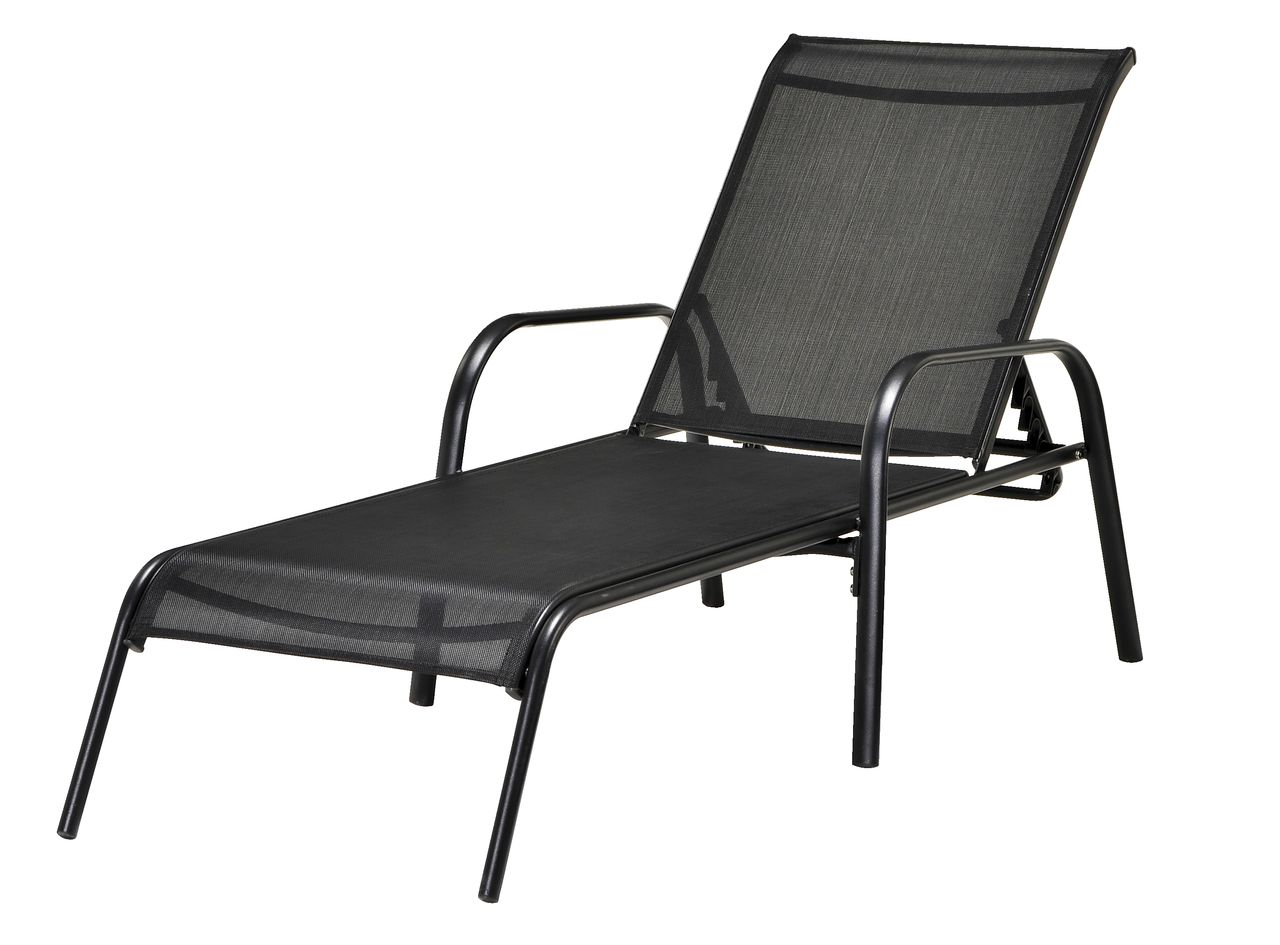
Why Foldability and Stackability Are Essential for Small Garden Sun Loungers
The Spatial Reality: UK Urban Gardens Average Just 12m²
UK urban gardens average just 12m² (RHS 2023), making every square centimetre a premium. Traditional sun loungers occupy 1.5–2m² when deployed—over 15% of total space in compact settings. Foldable designs reverse this inefficiency, collapsing to just 30% of their operational footprint for off-season storage. This adaptability transforms balconies and pocket patios into multi-functional zones: today’s sun lounge becomes tomorrow’s herb-growing corner or entertaining surface. Crucially, foldable units avoid the “permanent furniture trap” that forces homeowners to sacrifice greenery for relaxation.
Stackability vs. Nestability: Maximising Storage Density Without Compromising Usability
Stackable and nestable sun loungers solve storage in complementary ways. Stacking achieves vertical density—ideal for sheds or garages—with 3–5 units fitting within 1m² of floor space. Nesting prioritises horizontal efficiency, sliding loungers partially beneath each other like drawers to protect fabrics from dust and moisture. For gardens under 10m², stackability typically outperforms: a 2024 survey found 68% of urban gardeners preferred stacking for its resistance to wind-toppling and single-unit accessibility. Key design features—tapered legs and non-slip foot pads—prevent slippage while preserving one-person portability.
Material Selection for Lightweight, Weather-Resistant Sun Loungers
Aluminium, Powder-Coated Steel, and Recycled Polypropylene: Balancing Strength, Weight, and Outdoor Longevity
Frame material directly impacts durability, portability, and long-term performance in UK conditions. Aluminium offers exceptional corrosion resistance and lightness—ideal for frequent repositioning in tight spaces. Powder-coated steel delivers superior structural integrity, with protective layers proven to prevent rust for over a decade in outdoor furniture durability studies. Recycled polypropylene provides an eco-conscious alternative, combining moisture resistance with flexibility essential for reliable folding mechanisms. All three maintain optimal strength-to-weight ratios—critical where damp climates cause untreated wood to warp within 2–3 seasons.
UV-Stabilised Textilene Weaving: The Ideal Fabric for Compact, Breathable Sun Loungers
Fabric choice is decisive for comfort, maintenance, and space efficiency in foldable loungers. UV-stabilised Textilene weaving resists fading for 2000+ sunlight hours (Outdoor Fabric Council 2024) and features an open mesh structure that promotes airflow—preventing heat buildup during summer use—while weighing under 500g/m². Unlike non-breathable alternatives, it dries within 30 minutes after rain, eliminating mildew risk in humid conditions. Its tight, resilient weave maintains tension across fold points, ensuring consistent support without sagging—even after repeated compaction.
Smart Dual-Purpose Features That Extend the Functionality of a Sun Lounge
Integrated Storage Compartments and Fold-Flat Backrests for Multi-Role Small Garden Use
In gardens under 12m², dual-purpose design isn’t optional—it’s essential. Sun loungers with integrated storage compartments eliminate standalone units by discreetly housing gardening tools, cushions, or weather accessories beneath seats. This consolidates functions while reducing visual and physical clutter. Fold-flat backrests enhance versatility further: lowering them converts the lounge into a daybed for guests—or a flat, stable surface for potting plants. These transformations require no tools and take seconds, adapting seamlessly to evolving needs. By merging storage with flexible seating, one piece serves as a relaxation station, tool repository, and entertaining surface—addressing the top challenge cited by 74% of urban gardeners: space constraints (Green Space Report 2023).
Practical Fit Testing: Measuring Real-World Usability for Compact Sun Loungers
Clearance, Folded Footprint, and One-Person Portability — Key Metrics for Tight Spaces
Before purchasing, test three real-world metrics. First, measure clearance needed when fully reclined: most chairs require at least 60 cm of free space behind them to tilt back safely. Second, verify the folded footprint—the lounge should fit comfortably into a 1-metre-long storage box or narrow balcony corner. Finally, assess one-person portability: lift the folded unit and carry it through a standard door or around a tight corner. A weight under 12 kg ensures manageable handling for most adults. Simulate daily use—unfold, reposition, and fold again. This quick test reveals whether the mechanism operates smoothly and whether the design truly suits your space.
FAQ Section
Why are foldable sun loungers important for small gardens?
Foldable sun loungers save space by collapsing to 30% of their operational footprint, allowing more functional use of compact gardens.
What is the difference between stackability and nestability?
Stackability maximises vertical storage density while nestability prioritises horizontal space efficiency. For smaller gardens, stackability is often preferred due to its compact nature.
Which materials are best for weather-resistant sun loungers?
Aluminium, powder-coated steel, and recycled polypropylene are ideal for their durability, lightweight properties, and suitability for UK weather conditions.
What fabric works well for compact breathable sun loungers?
UV-stabilised Textilene is recommended for its fade resistance, airflow promotion, and weather durability, making it perfect for humid climates.
What dual-purpose features should I look for in small garden sun loungers?
Consider loungers with integrated storage compartments and fold-flat backrests for multi-role functionality in compact spaces.
How can I test a sun lounger’s suitability for small areas?
Evaluate clearance when reclined, folded footprint dimensions, and portability to ensure practical usability in tight spaces.
Table of Contents
- Why Foldability and Stackability Are Essential for Small Garden Sun Loungers
- Material Selection for Lightweight, Weather-Resistant Sun Loungers
- Smart Dual-Purpose Features That Extend the Functionality of a Sun Lounge
- Practical Fit Testing: Measuring Real-World Usability for Compact Sun Loungers
-
FAQ Section
- Why are foldable sun loungers important for small gardens?
- What is the difference between stackability and nestability?
- Which materials are best for weather-resistant sun loungers?
- What fabric works well for compact breathable sun loungers?
- What dual-purpose features should I look for in small garden sun loungers?
- How can I test a sun lounger’s suitability for small areas?