
 EN
EN
Essential Garden Furniture Types for Family Barbecues
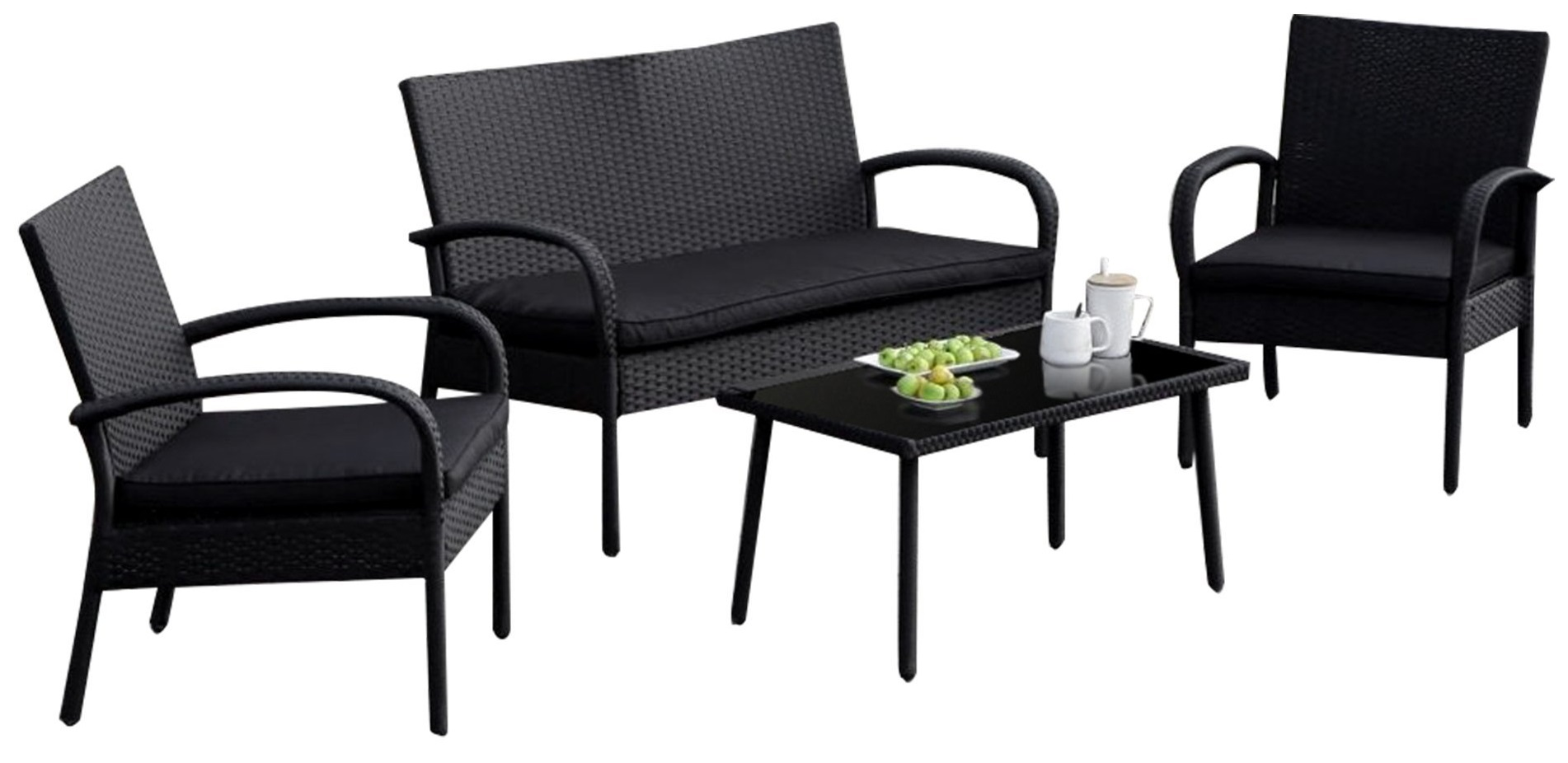
Family barbecues demand versatile garden furniture that balances durability, comfort, and space efficiency. Dining sets form the core for shared meals, with rectangular tables seating 6–8 proving ideal for serving platters. Bistro sets offer space-saving solutions for smaller patios or balconies, typically accommodating 2–4 guests with minimal footprint. Lounge furniture, such as modular sofas, creates relaxed conversation zones away from the grill, while fire pits—especially chiminea styles that direct smoke upward—extend gatherings into cooler evenings. For flexible seating during peak attendance, stackable banquet chairs provide practical overflow that stores compactly. Each type serves a distinct function: dining sets centralize meal service, bistro sets maximize small areas, lounge furniture encourages relaxation, and fire pits become natural evening focal points.
Top-Durability Materials for High-Traffic Garden Furniture
Teak, All-Weather Wicker, and Powder-Coated Aluminum Compared
Selecting weather-resistant materials ensures garden furniture withstands frequent barbecues and seasonal changes. Teak hardwood naturally repels moisture and insects due to its high oil content, aging gracefully to a low-maintenance silver patina. All-weather wicker—typically woven from UV-stabilized HDPE (High-Density Polyethylene)—resists fading, cracking, and thermal expansion. Powder-coated aluminum delivers lightweight strength with a bonded finish that prevents rust and chipping, even in coastal or humid environments. While teak offers timeless elegance, all-weather wicker provides textural versatility, and powder-coated aluminum excels where corrosion resistance is critical. All three support 10–15 years of family use with only occasional cleaning.
Child-Safe Design: Rounded Edges, Non-Toxic Finishes, and Stability Standards
Durability must go hand-in-hand with child safety. Rounded corners on tables and chairs prevent impact injuries during active play. Non-toxic, lead-free powder coatings or natural oil finishes ensure surfaces remain safe for curious hands and mouths. Stability is non-negotiable: furniture meeting ASTM F2057-19 safety standards resists tipping, incorporating weighted bases, cross-braced legs, and anti-wobble connectors. Look for pieces tested to tilt less than 0.5° under 50+ pounds of force. Avoid glass tabletops; instead, choose shatterproof acrylic or polycarbonate alternatives. These design essentials create secure, long-lasting outdoor spaces where safety and resilience are built in—not added on.
Functional Features That Optimize Garden Furniture for Barbecues
Expandable Tables, Umbrella Holes, and Integrated Storage
Barbecue gatherings demand furniture that adapts to shifting needs. Expandable tables let hosts seat four for a quick lunch and extend seamlessly to accommodate eight for a full spread—opt for smooth, pinch-free mechanisms. A centered umbrella hole provides essential shade during daytime cookouts, keeping food cool and guests comfortable. Integrated storage—like a lift-up bench seat or a side table with a concealed compartment—keeps tongs, napkins, and condiments within arm’s reach, reducing kitchen trips and clutter. Prioritize pieces that combine these three features: adaptable surface area, built-in sun protection, and discreet, functional storage. This trio transforms even modest patios into efficient, intuitive outdoor kitchens.
Ergonomic Seating Metrics for Comfort During Extended Gatherings
Comfort over multi-hour barbecues hinges on precise ergonomic dimensions. Ideal seat height falls between 17 and 19 inches—matching standard table heights of 28–30 inches—to allow feet to rest flat. Seat depth should range from 18 to 22 inches; deeper seats encourage reclining, which strains the lower back during prolonged sitting. Armrests positioned 8–10 inches above the seat surface ease shoulder tension. For children, select chairs with seat heights of 12–15 inches and proportionally wider armrests. Always test stability by gently rocking before purchase—solid construction prevents tipping when guests shift weight or lean in conversation. Applying these metrics ensures seating supports both relaxation and engagement, making every barbecue feel effortless and inclusive.
Smart Layout Strategies to Maximize Flow and Safety
Zoning Cooking, Dining, Lounging, and Play Areas in Compact Spaces
A well-zoned layout turns even a compact garden into a safe, functional hub for family barbecues. Position the cooking area at one end—away from main traffic paths—to minimize burn risks and grease splatter hazards. Place the dining zone nearby but clearly separated, using a garden furniture set scaled to the space without crowding. Locate lounge seating slightly apart, ideally under shade or beside a low hedge, to define a calm retreat. Designate a visible yet physically distinct play zone for children—use a planter box or low decorative fence as a gentle barrier. Maintain at least three feet of clear pathway width between all zones to allow unhindered movement and prevent collisions. This intentional zoning maximizes usability, enhances supervision, and supports smooth transitions from grilling to dining to unwinding—all without sacrificing safety or style.
FAQs
What is the best material for long-lasting garden furniture?
Teak, all-weather wicker, and powder-coated aluminum are highly durable materials that can withstand frequent use and outdoor conditions for up to 15 years.
How can I ensure the safety of children around garden furniture?
Look for furniture with rounded edges, non-toxic finishes, and stability features like weighted bases and cross-braced legs to minimize injuries and accidents.
What garden furniture works best in small spaces?
Bistro sets are ideal for smaller patios or balconies as they provide seating for 2–4 guests while occupying minimal space.
How do I make garden furniture comfortable for long barbecues?
Choose seating with ergonomic dimensions, such as 17–19 inch seat heights and 18–22 inch depths, paired with well-placed armrests for extended comfort.