
 EN
EN
Τεάκ: Το πρότυπο αναφοράς για τη φυσική ανθεκτικότητα της εξωτερικής επίπλωσης
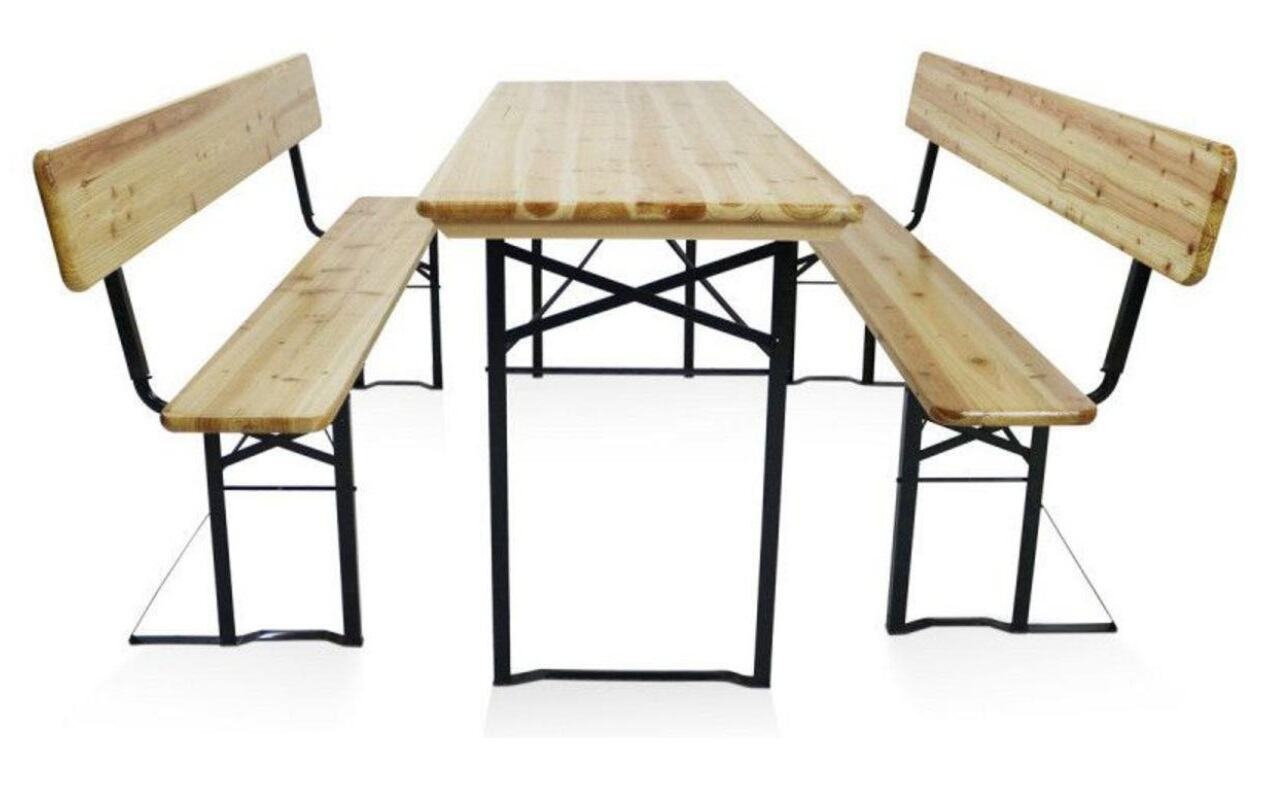
Μεταξύ όλων των φυσικών σκληρών ξύλων για εξωτερικές καρέκλες ηλίου και κηπευτικά έπιπλα, το τεάκ αποτελεί το ανερχόμενο βιομηχανικό πρότυπο, προσφέροντας ανωτέρα αντοχή στην υπεριώδη ακτινοβολία, υδατοστεγή απόδοση καθώς και αντοχή σε έντομα και σήψη, υπερβαίνοντας τις συνηθισμένες ποικιλίες σκληρού ξύλου. Το επιστημονικό όνομα του τεάκ είναι Tectona grandis και διαθέτει υψηλή πυκνότητα 650 έως 750 kg ανά κυβικό μέτρο και εξαιρετικά σφιχτή δομή κόκκων, δημιουργώντας ένα πυκνό φυσικό φράγμα εναντίον της εξωτερικής υγρασίας. Ακόμη και μετά από 24 ώρες πλήρους βύθισης στο νερό, το τεάκ απορροφά λιγότερο από 12 τοις εκατό υγρασία, εξαλείφοντας αποτελεσματικά τα προβλήματα στρέψης, στραβώματος και ραγίσματος που πλήττουν τα ξύλα χαμηλής πυκνότητας υπό εναλλασσόμενες υγρές και στεγνές συνθήκες.
Η εξαιρετική αντοχή του τεάκ στις καιρικές συνθήκες οφείλεται στη μοναδική του εσωτερική σύνθεση, η οποία περιλαμβάνει φυσικό περιεχόμενο ελαίων 5 έως 7 τοις εκατό και ενεργά συστατικά τεκτοκινόνης. Αυτές οι φυσικές ουσίες λειτουργούν ως ενσωματωμένα μυκητοκτόνα και απωθητικά εντόμων, απωθώντας ενεργά τερμίτες, σκώληκες ξύλου και μικροβιακή σήψη, χωρίς να εξαρτώνται από χημικά συντηρητικά. Υπό έντονη, μακροχρόνια έκθεση σε υπεριώδη ακτινοβολία και υψηλές θερμοκρασίες, το τεάκ διατηρεί πλήρη διαστατική σταθερότητα, ακόμα και όταν η θερμοκρασία της επιφάνειας φτάνει τους 85 βαθμούς Κελσίου, αποφεύγοντας έτσι τη θερμική παραμόρφωση και την χαλάρωση της δομής. Αντί να ξεθωριάζει και να εξασθενεί όπως το δρυς, το πεύκο, η ακακία και άλλα κοινά σκληρά ξύλα, το τεάκ σχηματίζει σταδιακά μια ομοιόμορφη, ευγενική γριζωπή πατίνα, διατηρώντας παράλληλα την πλήρη δομική του αντοχή, καθιστώντάς το το πιο αξιόπιστο φυσικό υλικό για μακροχρόνια εξωτερική χρήση σε ηλιοθεραπευτικές καρέκλες.
Τα έπιπλα από τεάκ διαθέτουν την καλύτερη στον κλάδο πραγματική διάρκεια ζωής με εξαιρετικά χαμηλές απαιτήσεις συντήρησης. Τα καλάς ποιότητας καθίσματα ηλίου και τα κήπινα έπιπλα από τεάκ μπορούν να λειτουργούν σταθερά για 25 χρόνια ή περισσότερο σε εξωτερικά περιβάλλοντα, ενώ υπάρχουν πολλές καλά διατηρημένες περιπτώσεις που διαρκούν 40 έως 50 χρόνια. Τα φυσικά, αυτοαναπληρούμενα έλαια του ξύλου προστατεύουν συνεχώς το εσωτερικό του, μειώνοντας την εξάρτηση από εξωτερικά σφραγιστικά, βερνικωτά και προστατευτικά επικαλύμματα. Η καθημερινή συντήρηση είναι εξαιρετικά εύκολη και απαιτεί μόνο ετήσιο καθάρισμα με ήπιο σαπούνι και καθαρό νερό. Οι χρήστες μπορούν προαιρετικά να εφαρμόσουν έλαιο τεάκ για να διατηρήσουν το αρχικό ζεστό καφετί-καστανό χρώμα, ενώ η φυσική γήρανση σε κλασικό ασημί-γκρι δεν επηρεάζει καθόλου τη δομική απόδοση. Αντιθέτως, τα σκληρά ξύλα ευκαλύπτου και ακασίας απαιτούν σφράγιση δύο φορές τον χρόνο και συνήθως γηράσκουν και αποτυγχάνουν εντός δεκαετίας. Παρόλο που το τεάκ έχει υψηλότερο αρχικό κόστος, ο χρόνος ζωής του είναι 3 έως 5 φορές μεγαλύτερος από εναλλακτικά υλικά, προσφέροντας άριστη απόδοση κόστους στο μακροπρόθεσμο.
Μεταλλικά έπιπλα εξωτερικού χώρου: Ανθεκτικότητα στη διάβρωση και διάρκεια ζωής της δομής
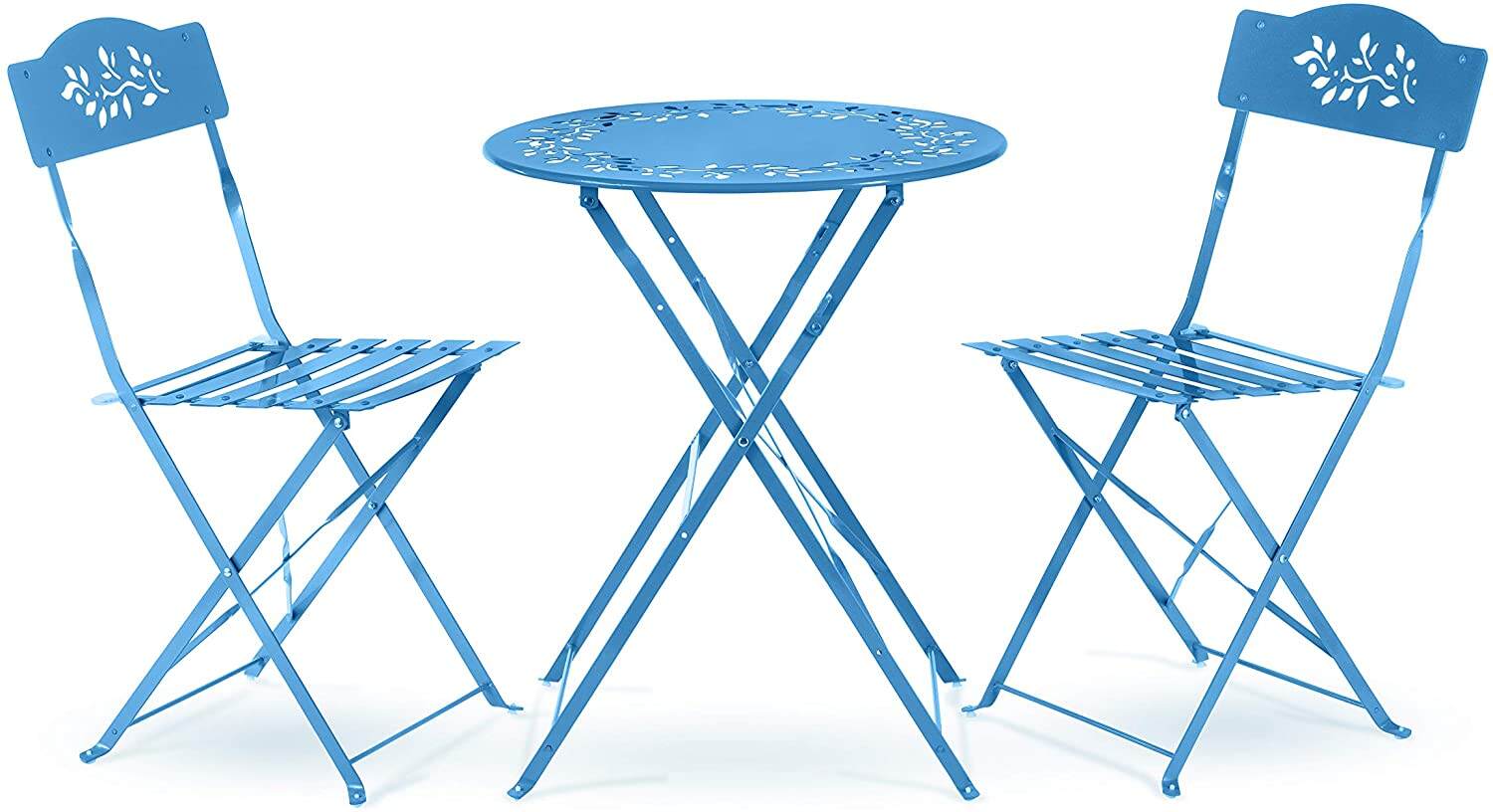
Οι μεταλλικοί σκελετοί αποτελούν τη βασική υποστήριξη των σύγχρονων πολυτελών καθισμάτων ηλίου και η ανθεκτικότητά τους στη διάβρωση καθώς και η δομική τους ανθεκτικότητα καθορίζουν απευθείας τη διάρκεια ζωής τους σε όλες τις καιρικές συνθήκες. Το αλουμίνιο και ο επικαλυμμένος με σκόνη χάλυβας είναι τα δύο πιο ευρέως χρησιμοποιούμενα μεταλλικά υλικά για έπιπλα εξωτερικού χώρου, με σημαντικά διαφορετικές επιδόσεις σε παράκτια αλμυρά, υψηλής υγρασίας και κλιματικά περιβάλλοντα με εναλλαγές παγετού και απόψυξης. Το εξωθημένο και το χυτό αλουμίνιο διαθέτουν φυσικό, αυτοανακαθαριζόμενο οξείδιο στην επιφάνειά τους, επιτυγχάνοντας μόνιμη αντίσταση στη σκουριά. Αυτή η μοναδική ιδιότητα επιτρέπει στους σκελετούς καθισμάτων ηλίου από αλουμίνιο να προσαρμόζονται σε παράκτιους κήπους με υψηλή θαλασσινή ψεκασμό, όπου τα συνηθισμένα μέταλλα βασισμένα στο σίδηρο είναι εξαιρετικά ευάλωτα σε γρήγορη διάβρωση και σκουριά.
Το χαλύβδινο υλικό με επικάλυψη σε σκόνη βασίζεται σε εξωτερική πολυεστερική ή εποξική επίστρωση για υδροαπόδειξη και προστασία από τη σκουριά, ωστόσο παρουσιάζει εμφανείς δομικές ελλείψεις. Μόλις η επιφανειακή επίστρωση χαραχθεί, αποκολληθεί ή φθαρεί, το υποκείμενο χαλύβδινο υπόστρωμα έρχεται γρήγορα σε επαφή με τον αέρα και την υγρασία, προκαλώντας σκουριά. Σε συνεχή περιβάλλοντα υψηλής υγρασίας, το συμπυκνωμένο νερό μπορεί να διεισδύσει σε μικρές ραφές και συνδετικές άκρες, προκαλώντας φούσκωμα, αποκόλληση και τελική αποτυχία της επίστρωσης. Οι κλιματικές συνθήκες παγετού-απόψυξης επιδεινώνουν περαιτέρω τη ζημιά: το εγκλωβισμένο νερό κάτω από την ραγισμένη επίστρωση διαστέλλεται κατά τη διάρκεια του παγώματος, προκαλώντας εκτεταμένη αποκόλληση και δομική γήρανση. Το αλουμίνιο, με χαμηλότερη πυκνότητα και εξαιρετική ελαστικότητα, μπορεί να αντιστέκεται αποτελεσματικά στη θερμική τάση παραμόρφωσης και να διατηρεί σταθερή δομή πλαισίου σε ακραίους κύκλους θερμοκρασίας.
Η εξουσιοδοτημένη δοκιμή αλατούχου ψεκασμού σύμφωνα με το πρότυπο ASTM B117 το 2024 επιβεβαίωσε τη διαφορά απόδοσης μεταξύ των δύο υλικών. Το προηγμένο αλουμινιούμενο υλικό με επικάλυψη σκόνης αντέχει περισσότερο από 1500 ώρες συνεχούς έκθεσης σε αλατούχο ψεκασμό χωρίς διάβρωση της βάσης, ενώ το τυπικό χαλύβδινο υλικό με επικάλυψη σκόνης παρουσιάζει εμφανή κόκκινη σκουριά εντός 500 ωρών μετά τη ζημία της επικάλυψης. Για παράκτιες, θαλάσσιες και περιοχές με κρύο και εναλλασσόμενη κατάσταση παγετού-απόψυξης, οι αλουμινένιες κατασκευές προσφέρουν χαμηλότερο κόστος συντήρησης μακροπρόθεσμα και μεγαλύτερη σταθερότητα. Το χαλύβδινο υλικό με επικάλυψη σκόνης είναι κατάλληλο μόνο για ενδοχώρες ξηρές περιοχές και απαιτεί τακτική επιθεώρηση και επαναβαφή για την παράταση της διάρκειας ζωής του.
Οι όροι εγγύησης από τους κυριότερους κατασκευαστές αντικατοπτρίζουν εντυπωσιακά την πραγματική διάρκεια ζωής των μεταλλικών εξωτερικών επίπλων. Οι πλαίσια υψηλής ποιότητας αλουμινίου για ηλιακά καθίσματα συνοδεύονται από επαγγελματικές δομικές εγγυήσεις 15 έως 25 ετών, ενώ τα προϊόντα από επικαλυμμένο με σκόνη χάλυβα προσφέρουν μόνο εγγύηση 5 ετών για την επιφάνεια και εγγύηση 10 ετών για τη δομή του πλαισίου. Αυτοί οι τυποποιημένοι κύκλοι εγγύησης βασίζονται σε αυστηρές επιταχυνόμενες δοκιμές υποβάθμισης λόγω καιρικών συνθηκών, οι οποίες προσομοιώνουν δεκαετίες έκθεσης σε υπεριώδη ακτινοβολία, διάβρωση από υγρασία και αλλαγές θερμοκρασίας. Σύμφωνα με τα στοιχεία της βιομηχανίας του 2023 που δημοσίευσε το Powder Coating Institute, οι επικαλύψεις πολυεστέρα αρχιτεκτονικής ποιότητας μπορούν να διατηρούν την πλήρη απόδοσή τους για έως και 20 χρόνια σε μέτρια κλιματικά περιβάλλοντα.
Για να επιτευχθεί η πλήρης διάρκεια ζωής της εγγύησης, είναι απαραίτητη η τακτική, τυποποιημένη συντήρηση. Οι χρήστες πρέπει να απομακρύνουν τακτικά το αλατιούχο στρώμα και τη σκόνη από την επιφάνεια κάθε μήνα, να επισκευάζουν εγκαίρως τις γρατσουνιές και τις ζημιές του επικαλύμματος και να καλύπτουν τον εξοπλισμό κατά τη διάρκεια των εποχών παγώματος-απόψυξης για να αποφύγουν την αποτυχία του επικαλύμματος. Η αποθήκευση των μαξιλαριών των καθισμάτων σε εσωτερικούς χώρους και η πρόληψη συσσώρευσης χιονιού και πάγου στα μεταλλικά πλαίσια μπορούν να προστατεύσουν περαιτέρω τα επικαλύμματα επιφάνειας και τη δομική σταθερότητα. Με επιστημονική συντήρηση, τα προνομιούχα μεταλλικά καθιστικά ηλίου μπορούν να επιτύχουν σταθερά τα κριτήρια εγγύησης και να λειτουργούν αξιόπιστα για περισσότερο από 25 χρόνια.
Μηχανικά Υλικά: Ρητίνη Καλαμιά και Ανακυκλωμένο HDPE για Εξωτερικά Έπιπλα Πανετήσια
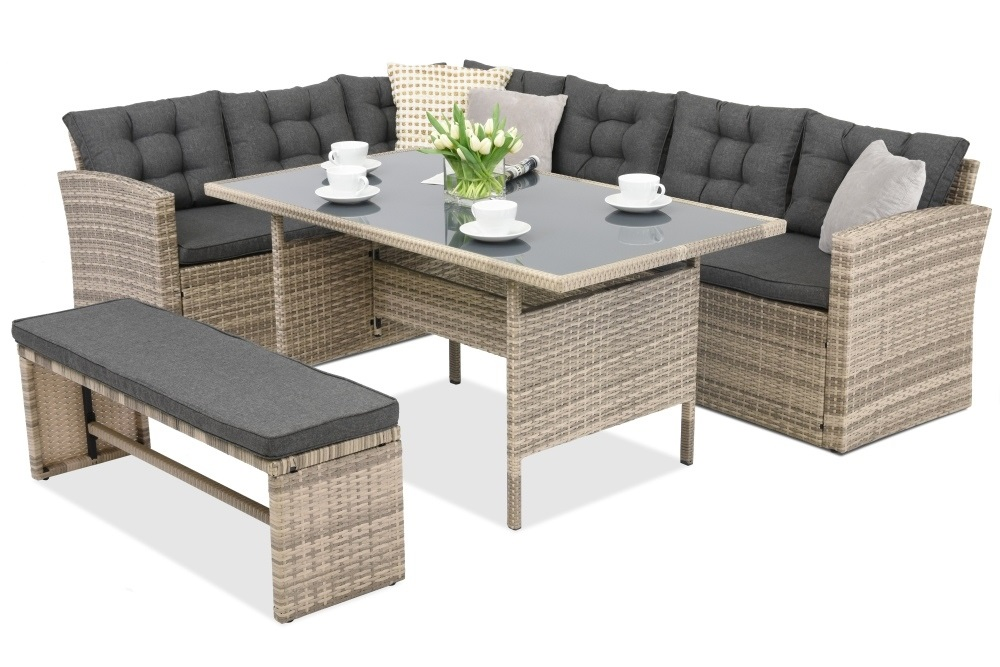
Οι μηχανικά κατασκευασμένες συνθετικές υλικές, που εκπροσωπούνται από το ρετσίνι HDPE, αντιμετωπίζουν τα φυσικά ελαττώματα των παραδοσιακών οργανικών ινών και των χαμηλής ποιότητας πλαστικών, καθιστώντας τις το κυρίαρχο υλικό για όλες τις καιρικές συνθήκες στις επιφάνειες και τα αξεσουάρ σύγχρονων ηλιακών καρεκλών. Το φυσικό ρατάν και οι συνηθισμένες φυτικές ίνες τείνουν να γίνονται εύθραυστες, να ξεθωριάζουν, να λικνίζονται και να παραμορφώνονται υπό μακροχρόνια έκθεση σε πλήρη ηλιακή ακτινοβολία, και δεν μπορούν να προσαρμοστούν στις πολύπλοκες κλιματικές αλλαγές στο εξωτερικό. Αντιθέτως, τα υλικά υψηλής πυκνότητας πολυαιθυλενίου (HDPE) μειγνύονται εκ των προτέρων με ειδικά αντηλιακά πρόσθετα κατά τη διαδικασία παραγωγής, επιτυγχάνοντας ολοκληρωμένη δέσμευση του χρώματος και μόνιμη αντίσταση στην υπεριώδη ακτινοβολία, αποτρέποντας αποτελεσματικά την απόχρωση, την εμφάνιση ασβεστούχου επιφάνειας (chalkiness) και την εμφάνιση εύθραυστης γήρανσης που προκαλείται από την ηλιακή ακτινοβολία.
Το HDPE διαθέτει μια μη πορώδη, συμπαγή δομή επιφάνειας με μηδενική ικανότητα απορρόφησης υγρασίας, κάτι που καθιστά βασικά αδύνατη την ανάπτυξη μύκητα, μούχλας και βακτηρίων. Αυτό το πλεονέκτημα είναι ιδιαίτερα εμφανές σε ανοιχτούς χώρους κήπους υπό πλήρη ηλιακή έκθεση, με συχνή πότισμα μέσω σπίκερ και εναλλασσόμενους υγρούς-ξηρούς κύκλους. Σε αντίθεση με τα σκληρά, χαμηλής ποιότητας πλαστικά που ραγίζουν εύκολα λόγω αλλαγών θερμοκρασίας, το υλικό HDPE παρουσιάζει μέτρια ελαστικότητα, η οποία του επιτρέπει να προσαρμόζεται στην εποχιακή θερμική διαστολή και συστολή χωρίς να ραγίζει ή να υφίσταται δομική ζημιά. Τα δύο πλεονεκτήματα της σταθερής αντοχής στην υπεριώδη ακτινοβολία και της απόλυτης αδιαπερατότητας στο νερό και αντοχής στη μούχλα καθιστούν τον καλάμι HDPE ρητίνης μια εξαιρετικά ανθεκτική λύση για εξωτερικές καταστάσεις ηλιακών καθισμάτων που εκτίθενται πλήρως στον ήλιο.
Υπάρχει σημαντική διαφορά διάρκειας ζωής μεταξύ των πρώτων υλών υψηλής ποιότητας και των φθηνών, συνηθισμένων πλαστικών. Το υψηλής ποιότητας ρητίνη HDPE για καλαθάκια έχει σταθερή διάρκεια ζωής 5 έως 12 ετών σε εξωτερικά περιβάλλοντα, ενώ τα ασταθή, χαμηλής ποιότητας πλαστικά πολυπροπυλενίου και PVC διαρκούν μόνο 3 έως 5 έτη και τείνουν να ξεθωριάζουν γρήγορα, να γίνονται εύθραυστα και να διασπώνται. Τα ανακυκλωμένα υλικά HDPE παρουσιάζουν επίσης εξαιρετική αντοχή σε χαμηλές θερμοκρασίες, διατηρώντας πλήρη αντοχή σε κρούση σε περιβάλλοντα κάτω του μηδενός βαθμού και αντιστέκονται σε ζημιές σπάσιμου κατά τους κύκλους παγετού-απόψυξης, γεγονός που αποτρέπει εντελώς τον κίνδυνο αιφνίδιας αποτυχίας των χαμηλής ποιότητας πλαστικών σε κρύο καιρό.
Παρόλο που τα προηγμένα μηχανικά υλικά HDPE προστίθενται με ελαφρώς υψηλότερο αρχικό κόστος αγοράς, η μεγάλη διάρκεια ζωής τους εξαλείφει το κόστος συχνών αντικαταστάσεων και την απόρριψη υλικών χαμηλής ποιότητας. Δεν διαθέτουν μόνο φιλικά προς το περιβάλλον χαρακτηριστικά ανακύκλωσης, αλλά διατηρούν επίσης σταθερή εμφάνιση και δομική απόδοση σε όλη τη διάρκεια της χρήσης τους, προσφέροντας υψηλότερη απόδοση κόστους-απόδοσης σε μακροπρόθεσμη βάση και σταθερό αισθητικό αποτέλεσμα για εξοπλισμό εξωτερικών θέσεων ηλιοθεραπείας.
Ταιριάζοντας εξωτερικά έπιπλα με τους κλιματικούς παράγοντες τάσης του κήπου σας
Η πιο ανθεκτική διαμόρφωση καθιστικού ηλίου πρέπει να εναρμονίζεται με τα χαρακτηριστικά του τοπικού κλίματος του κήπου. Η απλή επιδίωξη εμφάνισης χωρίς λήψη υπόψη των περιβαλλοντικών παραγόντων πίεσης θα οδηγήσει σε πρόωρη γήρανση και συντομευμένη διάρκεια ζωής. Για ανοιχτούς κήπους υπό πλήρη ηλιακή έκθεση με μακροχρόνια έντονη υπεριώδη ακτινοβολία και μεγάλες διαφορές θερμοκρασίας, πρέπει να δοθεί προτεραιότητα σε υλικά με εξαιρετική σταθερότητα έναντι της υπεριώδους ακτινοβολίας και αντοχή στη θερμική παραμόρφωση. Το ξύλο τεάκ με φυσικό προστατευτικό έλαιο, οι κατασκευές από αλουμίνιο με επικάλυψη σε σκόνη και τα υλικά HDPE με σταθεροποίηση έναντι της υπεριώδους ακτινοβολίας μπορούν να αντιστέκονται αποτελεσματικά στην αποχρωματισμό από τον ήλιο και στις ρωγμές λόγω θερμικής διαστολής, προσαρμόζοντας τα σε μακροχρόνια έκθεση σε υψηλής έντασης ηλιακό φως.
Οι παράκτιες περιοχές και οι περιοχές με υψηλή υγρασία χαρακτηρίζονται από διάβρωση λόγω αλατιούχου ψεκασμού και συνεχή υγρασία. Σε τέτοια περιβάλλοντα, το αλουμίνιο μεγάλης αντοχής για χρήση σε θάλασσα και το ανοξείδωτο χάλυβα 316 αποτελούν τις καλύτερες επιλογές μεταλλικού πλαισίου για να αποφευχθεί η διάβρωση από το αλάτι και η σκουριά. Το ξύλο τεάκ και οι πλεκτές ρητίνες HDPE για εξωτερική χρήση εκμεταλλεύονται τη φυσική τους πυκνότητα και τη συνθετική τους σταθερή δομή για να αντιστέκονται στη σήψη και τη μύκητα χωρίς συχνή χημική συντήρηση. Για τις κλιματικές ζώνες του βορρά με εναλλασσόμενες καταστάσεις παγώματος και απόψυξης, πρέπει να αποφεύγονται τα μη επεξεργασμένα ξύλα που απορροφούν νερό και τα χαμηλής ποιότητας εύθραυστα πλαστικά. Τα ολοκληρωμένα πλαίσια αλουμινίου με συγκόλληση και τα υλικά HDPE υψηλής αντοχής μπορούν να αντέξουν ακραίες και επαναλαμβανόμενες αλλαγές θερμοκρασίας χωρίς δομική ζημιά.
Για ανεμώδη, ανοιχτά χώρους κήπου, υλικά με υψηλή πυκνότητα, όπως το τεάκ και οι ενισχυμένοι σιδηροκατασκευές, προσφέρουν καλύτερη σταθερότητα τοποθέτησης και δεν ανατρέπονται εύκολα από τον άνεμο, ενώ οι ελαφριές κατασκευές από καθαρό αλουμίνιο απαιτούν επιπρόσθετα μέτρα στερέωσης. Η ακριβής εναρμόνιση των χαρακτηριστικών των υλικών με τους κλιματικούς παράγοντες της περιοχής μπορεί να αξιοποιήσει πλήρως τα πλεονεκτήματα ανθεκτικότητας του τεάκ, των μετάλλων και των μηχανικά κατασκευασμένων υλικών, να μεγιστοποιήσει τη διάρκεια ζωής των καθισμάτων ηλίου και να επιτύχει μακροπρόθεσμη, σταθερή και χαμηλής συντήρησης αξία επένδυσης για εξωτερικά έπιπλα.
Συχνές Ερωτήσεις
Γιατί το τεάκ θεωρείται το καλύτερο υλικό για εξωτερικά έπιπλα; Το τεάκ θεωρείται ευρέως ως το κορυφαίο ξύλο για εξωτερικά έπιπλα λόγω της υψηλής του πυκνότητας, των πλούσιων φυσικών προστατευτικών ελαίων του και της εγγενούς αντίστασής του στην υγρασία, την υπεριώδη ακτινοβολία, τα έντομα και την αποσύνθεση. Αγιάζει ευγενικά σε ομοιόμορφη αργυρογκριζωπή πατίνα, διατηρώντας παράλληλα σταθερή δομική ακεραιότητα για δεκαετίες.
Πόσο διαρκεί το έπιπλο από τεάκ στο εξωτερικό; Με ελάχιστη καθημερινή συντήρηση, οι υψηλής ποιότητας ηλιοθεραπευτικές καρέκλες και τα εξωτερικά έπιπλα από τεάκ μπορούν να διαρκέσουν 25 έως 50 χρόνια στο εξωτερικό, υπερβαίνοντας κατά πολύ τα συνηθισμένα ξύλα ακακίας και ευκαλύπτου όσον αφορά τη μακροπρόθεσμη αντοχή στις καιρικές συνθήκες και τη δομική αντοχή.
Ποια είναι τα πλεονεκτήματα των εξωτερικών επίπλων από αλουμίνιο; Οι κατασκευές από αλουμίνιο διαθέτουν φυσική αντίσταση στη σκουριά, εξαιρετική αντοχή στη διάβρωση από αλμυρό ψεκασμό και θερμική σταθερότητα. Προσαρμόζονται σε ακταία, υγρά και σκληρά περιβάλλοντα με εναλλαγές παγετού-απόψυξης, απαιτούν ελάχιστη συντήρηση και παρέχουν 15–25 χρόνια μακροπρόθεσμη δομική αξιοπιστία.
Τι είναι το πλεκτό υλικό HDPE και πώς συγκρίνεται με τις φυσικές ίνες; Το πλεκτό υλικό HDPE είναι ένα επαγγελματικό, σταθεροποιημένο έναντι της υπεριώδους ακτινοβολίας συνθετικό υλικό. Σε σύγκριση με τις φυσικές ίνες ράτταν που ξεθωριάζουν και γίνονται εύθραυστες εύκολα υπό την επίδραση του ηλιακού φωτός, προσφέρει μόνιμη σταθερότητα χρώματος, αντίσταση στη μούχλα, αντίσταση σε ρωγμές λόγω θερμικής διαστολής και πολύ μεγαλύτερη διάρκεια ζωής στο εξωτερικό.
Πώς επηρεάζουν οι κλιματικοί παράγοντες την επιλογή επίπλων; Οι τοπικοί κλιματικοί παράγοντες, όπως οι ισχυρές ακτίνες UV, η αλμυρή ανεμοθύελλα στις παράκτιες περιοχές, η υψηλή υγρασία και οι κύκλοι παγώματος-απόψυξης, καθορίζουν την επιλογή των υλικών. Η εναρμόνιση των υλικών τεάκ, αλουμινίου, ανοξείδωτου χάλυβα και HDPE με τα χαρακτηριστικά του τοπικού κλίματος αποτρέπει προβλήματα γήρανσης, διάβρωσης, ρωγμών και μύκητα, διασφαλίζοντας τη μακρόχρονη απόδοση των ηλιακών καρεκλών.
Περιεχόμενα
- Τεάκ: Το πρότυπο αναφοράς για τη φυσική ανθεκτικότητα της εξωτερικής επίπλωσης
- Μεταλλικά έπιπλα εξωτερικού χώρου: Ανθεκτικότητα στη διάβρωση και διάρκεια ζωής της δομής
- Μηχανικά Υλικά: Ρητίνη Καλαμιά και Ανακυκλωμένο HDPE για Εξωτερικά Έπιπλα Πανετήσια
- Ταιριάζοντας εξωτερικά έπιπλα με τους κλιματικούς παράγοντες τάσης του κήπου σας
- Συχνές Ερωτήσεις