
 EN
EN
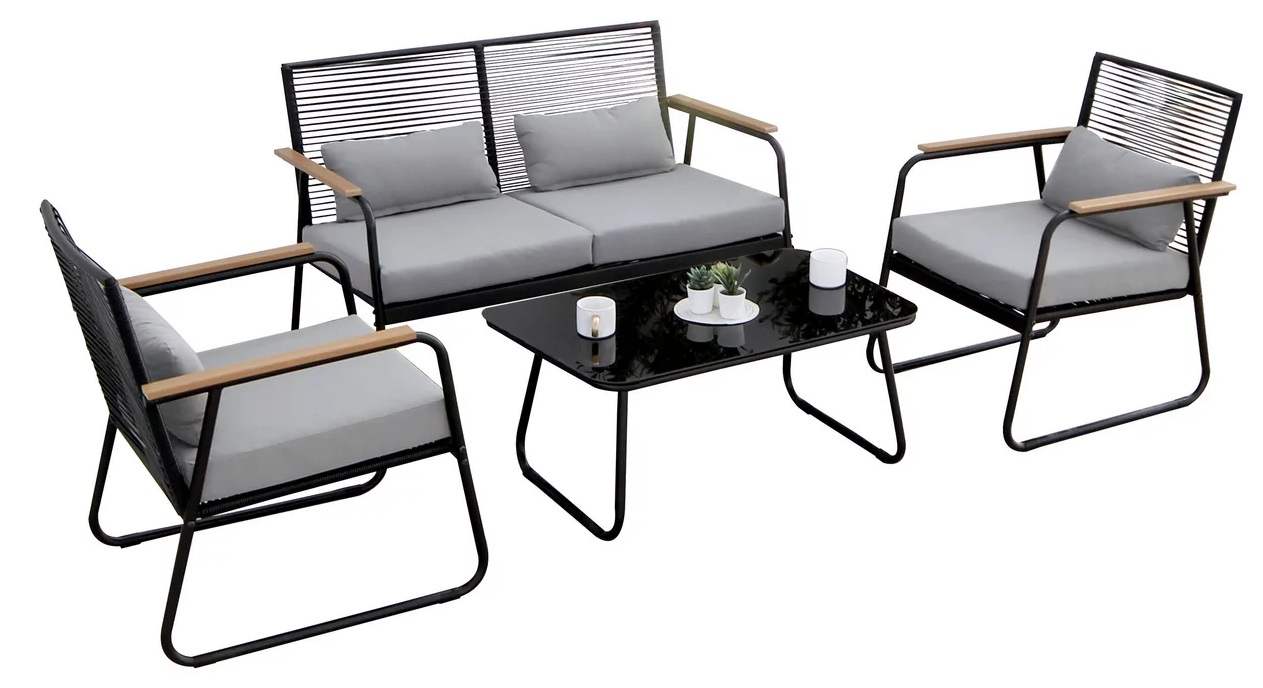
Choose a Unifying Color Strategy for Your Garden Furniture
Multiply Your Options with Monochromatic, Analogous, and Complementary Theory
Incorporating the fundamentals of color theory brings purpose and ease into your outdoor harmony. A monochromatic scheme of a low, mid, and dark tone of the same color, such as blue (sky, slate and navy blue) creates the essence of sophistication, while burdening the eyes the least. A blend of hues that stand next to each other on the color wheel, such as terracotta, burnt sienna and ochre, create a warm energetic integration, while also providing easing transitions. Complementary color schemes, such as teal and rust-orange when done purposely and not all over, create a great and dynamic focal point. To heighten the flow, color can be used purposely; put dining chairs in one color and contrast that with planters in a color that complements it.
Use Accent Colors Strategically Through Cushions, Rugs, and Potted Plants
The easy way to incorporate color is to consider accessories, which are small, low risk, and changeable adding opportunities. Earth tone sofas, such as those made of rattan or wicker, can be instantly altered with cushions of removable paprika red or olive green. Subtle geometric or organic shapes in outdoor rugs help visually unify mismatched pieces and anchor groups of seating. Pick neutral pot colors, such as soft gray, warm beige or crisp white, so that the foliage remains the main attraction, then opt for just bold accent pieces, such as cobalt blue the contrasting pots. These pots add color in the dark corners to create focal points. To increase the seasonal effect of this system, put deep burgundies and forest greens in the fall, and shift to lively citrus yellows and coral in the summer.
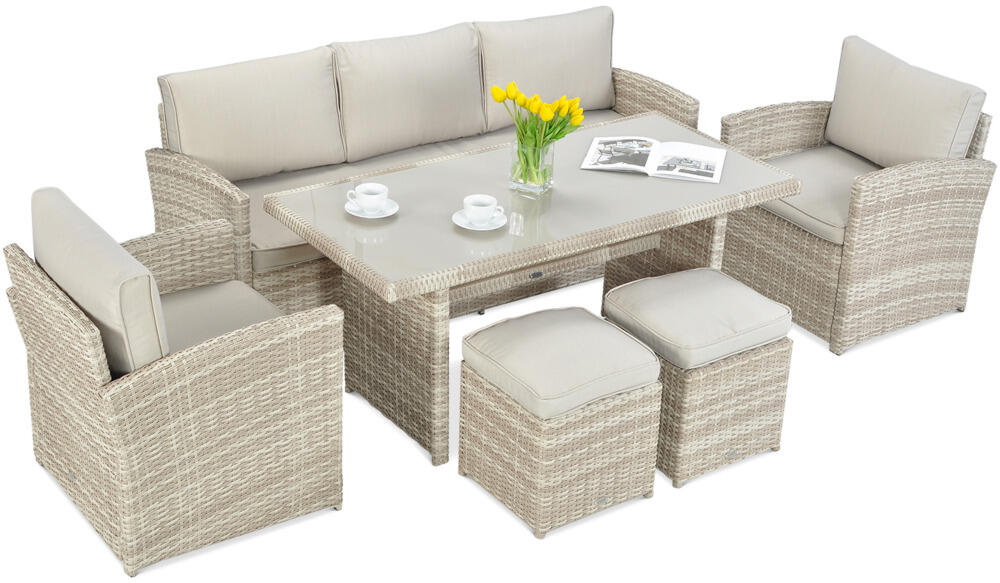
Blend Garden Furniture Materials Thoughtfully
Blend Wood, Metal, Wicker, and Teak Without Clashing
A unified eye for design is the key for a successful blend of materials, just as a controlled contrast allows layering. Wicker and rattan pair effortlessly with aluminum and steel as long as both possess subtle earthy undertones, such as sand-blasted metal with naturally finished cane. Transitional elements, such as a stone-topped metal coffee table positioned between a wooden daybed and a woven lounge chair, serve as material “bridges” to ease the differences. It is important to keep the greater number of dominant materials per zone under control. Limit a dining zone to teak chairs and use a metal side table to reflect the chair's brassy tone, avoiding more wood or wicker sources. This approach allows for functional layering in materials as well as a space for each material to be represented.
Leverage Contrast Intentionally—When Material Diversity Strengthens Cohesion
Diverse contrasts deepen rather than disrupt harmonious relations. One suggestion is to combine sleek tubular metal frames with some coarse, handwoven wicker to create tactile artistic curiosity. Also, smooth, polished concrete planters alongside a reclaimed wood bench show more grain and surface variation. What unifies all these things? A tendril like detail repeated: blackened steel legs on the chars, black wicker, and a black base of the teak table create continuity. Research made by University of Sheffield’s Landscape Architecture Group also showed that within materials and contrasts where forms, sizes, and proportions kept in line there is a repeated finish and scale that establishes a sense of comfort by 40%. This timber sectional cannot be placed alongside a small wrought-iron stool due to a lack of balance. Timber sectional cannot be placed alongside a small wrought-iron stool due to a lack of balance. Seemingly opposite arrangements, such as substantial metal bistro tables beside solid acacia benches or chunky concrete stools with thick-framed wicker loungers, express converse ideas of balance rather than dissonance.
Arrange Garden Furniture by Scale, Style, and Function to Optimize Outdoor Flow
In an instant, thoughtful placement of outdoor furniture makes patios, decks, and balconies a seamlessexpansion of the indoors. When structure, design, and purpose come together, you achieve clear movement paths, focused areas, and an effortless experience.
Designated Areas (Dining, Lounge, Conversation) with Scaled Pieces
The purpose of your furniture is to help divide the space into unique functional zones. The furniture must fit the intended zone whose function it carries. In dining zones, use a dining set to anchor the space with enough room for passage or adequate pathways. The dining set must fit the space. Lounge zones can be created with spaced sofas or sectionals that deep seat you, away from blank walls. Conversation zones can be made with spaced loveseats or armchairs positioned within the range of 3 to 4 feet from each other for ease of communication and contact. You won’t be able to fit a sectional on a small balcony, space is better used with two armchairs and a slim console. Every piece of furniture must fit the intended space. If furniture is not the right proportion, function, shape, or size, the purpose of space will be lost.
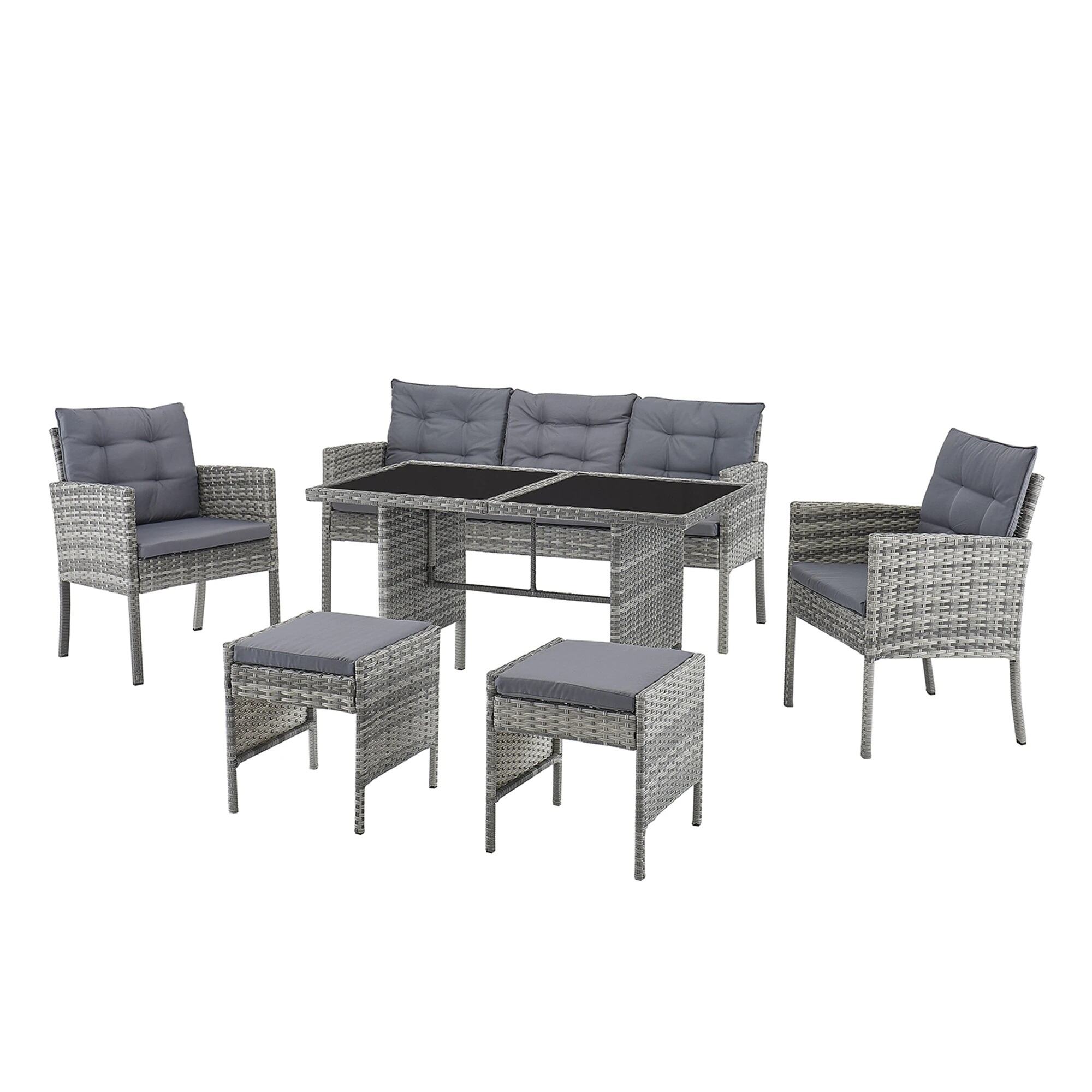
Now, let’s achieve an Even Distribution of Space on Patios, Decks, and Balconies.
It is not just the distribution of space that is important for evenness, but the distribution of visual elements. To account for height on a patio, bench-style seating that is wide and deep should be used, away from vertical elements like tall planters. The area of a space dedicated to furniture should be no more than 60% and the seating should be away from the walls to allow for an even distribution of the visual elements. To reduce visual clutter, each space should be dedicated to the purpose of real relaxation and should be clear of containers, decor, and furniture. To reduce visual clutter, each space should be dedicated to the purpose of real relaxation and should be clear of containers, decor, and furniture.
FAQ
What color strategies can I implement for my garden furniture?
To achieve serenity, you should utilize monochromes; for warmth and energy, implement analogous color strategies; for visual interest and dynamics, use complementary strategies.
How can accessories enhance my garden furniture?
Cushions, rugs, and potted plants with seasonal or bold accent colors allow you to provide variety and excitement to your space without long-term commitments.
What’s the best way to combine materials in my garden without sacrificing harmony?
Use materials with the same undertone and add intermediate elements to blend the materials. For balance, limit the dominant materials to two in each functional area for visual order.
How can I separate my outdoor spaces for flow and balance?
Divide your spaces/function areas with the appropriate scaled furniture and enough negative space to allow for flow. Balance in the spaces is the best way to achieve a cohesive and functional layout.