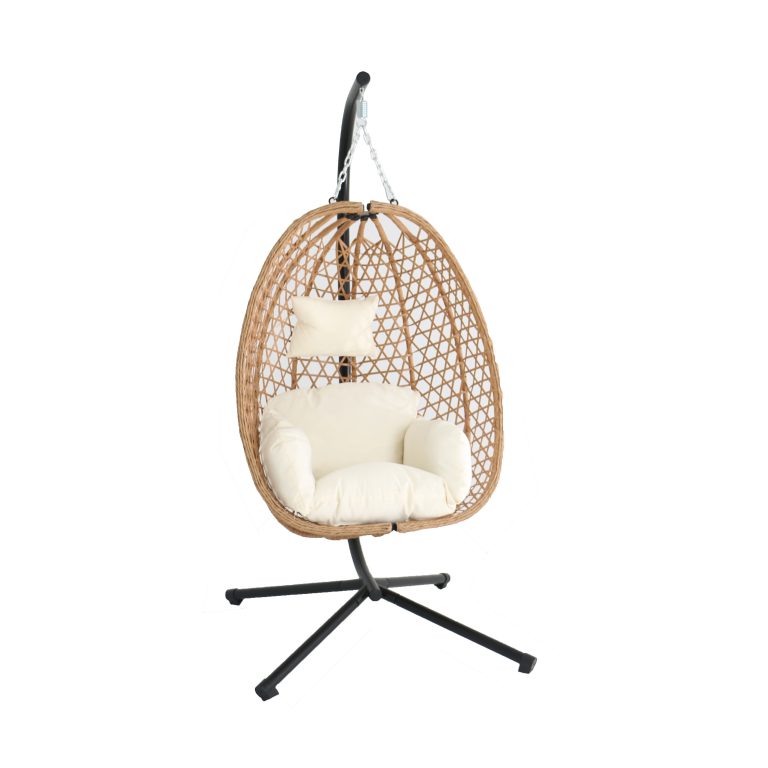
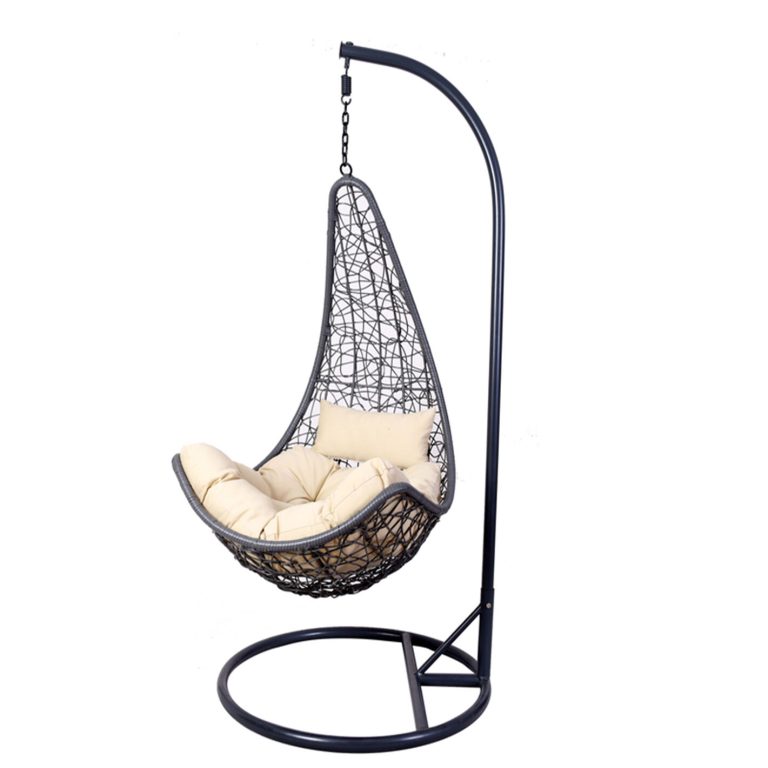
Are Hanging Rope Garden Swings More Comfortable Than Metal Ones?

2026-03-14 15:58:11
Are Hanging Rope Garden Swings More Comfortable Than Metal Ones?

Ergonomic Support: The Effect of Flexible Ropes and Rigid Metals on the Comfort of Garden Swings.

Pressure Adjustment and Rope Garden Swings Bolster Users’ Comfort.

Because of the overall flexibility of the materials, rope garden swings are more comfortable than their competitors. Ergonomics research indicates that the garden ropes distribute pressure through the body in contrast to concentrated pressure on body which increases pressure points by about 35-40% when compared to the rigid plastic and metal alternatives. Positioned, traditional, fixed seats do not change their shape, but seats in rope systems shape themselves to whatever position a body happens to be in at a given time. Ropes made of cotton and hemp are designed to stretch enough to facilitate small adjustments when a body moves and provide continued support through different postures. Such seating arrangements where adaptivity is present, are known to reduce seated fatigue.

Static Load Points and Fatigue Risk with Rigid Metal Garden Swing Frames

Because metal garden swings are rigid and do not flex, they tend to deliver all of the load to certain pressure points. The rigid frame often means that certain parts of the body are pinned against the frame which may lead to loss of blood circulation to that area. It isn’t uncommon for a user to start feeling pain or discomfort around the 20-minute mark. Recent studies conducted by the Biomechanics Institute in 2023 show that the rigid sections of metal swings lead to 28% greater spinal compression when compared to swings that are softer. Due to the poor weight distribution, the hips, shoulders, and thighs take the majority of the pain and suffering from the swing. The lack of movement, and adjustability in the way that a person can sit and stand often results in for a user to feel fatigued and stiff even with limited swing use.

Sensory Experience: Textiles, Temperature, and Sound of Metal vs Rope Garden Swings

Breathability, Skin Contact, and Thermal Regulation of Garden Swing Materials: Natural/Synthetic Ropes vs Metal

Natural fibers, like cotton and hemp, don't allow for sweating as much as metal surfaces do. Their tiny pores allow air to circulate through the fibers, which helps to keep users cool. Polypropylene and nylon also breathe well and do not absorb moisture, but unlike natural fibers, they can be a great option for warm and humid environments. Metal, on the other hand, has a high thermal conductivity. Every summer we see black metal Playground swings with temperatures near 60 degrees Celsius (Swingset Safety Council 2021). Such high temperatures can easily cause burns and provide a very uncomfortable experience to the skin.

571416.JPG

Plus, while smooth metal might stick to slippery hands and feet, wet and slippery hands and feet, slippery and wet hands and feet drivers. smooth metal might stick to sweaty hands and feet, ropes with texture stay grippy even when wet.

Vibration Dampening and Quiet Operation: Why Rope Garden Swings Feel Smoother

Because of how the fibers bend and stretch, rope suspensions absorb movement energy effectively. The 2023 research done at the Biomechanics Institute, for example, showed that rope suspensions reduced transmitted vibrations about 66% when compared to the stiff metal chains. The result? Less joint stress while sitting and no annoying metal creaking when shifting your weight. This is because metal links transmit all the vibrations and jolts your body. You can feel the difference when using chains that rattle a lot, and it completely ruins the atmosphere of a garden. Rope suspensions, on the other hand, are smooth and quiet. Natural give in the rope suspension creates a smooth and quiet swing, which is essential for those who enjoy sitting outside to relax or meditate.

The Importance of Adaptable Layers of Comfort and Cushioning for Garden Swings

The right cushioning can make or break a garden swing. Garden swings can be relaxing and enjoyable, or uncomfortable and simply a place to sit. Garden swing frames can be made of metal and can dig into people's bodies. Good, layered padding distributes a person's weight more evenly and prevents people from getting fatigued. Research has shown that users of garden swings that are well padded have reported a 40% reduction in discomfort complaints. Many of today's garden swings are designed for seasonal use. For example, adjustable, removable foam pads can be added to or removed from a garden swing depending on seasonal temperatures. Garden swing covers are made of durable materials that are resistant to moisture. These covers can help to keep the garden swing comfortable in the spring and summer. A well designed garden swing can help to maintain the comfort level and the structural integrity for many years.

Enduring Affordability Comfort: The Role of Material Preservation on the Ergonomics of Garden Swings

Stretch Aging Effects: Rope Vs Metal Garden Swings Corrosion or Coating Wear

The aging of materials alters the comfortability of garden swings over time. Sags in natural fiber rope are likely to stretch somewhat continuously after 2-3 seasons of consistent use. This creates somewhat of a memory foam effect, as over time, it 'molds' to the users bodies as they embody the swing. This is a unique effect from natural fiber rope and found down on pressure points about 15-20% for most individuals. Ropes that are stretched, to the point that they have sagged over 6% and rope is the most predictable adjustable element to be maintained, and in normal use ropes. Metal swings have a unique 'issue' that as they are used in the elements, they tend to develop rust with brown staining. It especially occurs at the joints where the welded joints are. This also can cause safety concerns as the surfaces can be rough and uncomfortable on the skin. Powder coated aluminum is a coating that is known to withstand the elements a bit better, but in a general sense, rust occurs far quicker.

571416.png

Outdoor furniture research from last year states that due to the layer that protects the interior materials of swings getting worn down and the constant exposure of users to the materials, approximately one third of users report getting uncomfortably hot during summer months from sitting on these swings.

Metal joints loosen due to thermal expansion cycles and this results in more vibration and bumpier rides. Flexible enough to avoid this issue, rope systems stay loose and sway in rhythm for long periods of time, even years. In terms of long-lasting durability against moisture, synthetic ropes surpass natural fibers, while stainless steel holds up better against salt air and humidity compared to standard galvanized steel. However, ropes, metal, and carpentry components do need maintenance. Metal components require tightening bolts once a year and treating ropes for UV exposure, as well as maintenance to inspect coatings for wear. Most people need to prioritize which attributes they want greater of at the expense of the other, control and comfort, offered by ropes, or the solid reliability of metal. There is a switch in some newer designs to incorporate a more solid reliance on ropes without being reliant on metal components as well.

FAQ

Q: Why are rope garden swings more comfortable than metal ones?

A: Rope swings have more flexible construction, which helps them redistribute pressure, adjust for posture, and make micro movements that change pressure, increasing comfort for more prolonged periods.

Q: How does the discomfort caused by metal garden swings vary with temperature?

A: Because metals are good at conducting heat, metal swings will get extremely hot from the sun. This can make sitting on them, and ultimately lead to skin burns, very uncomfortable.

Q: What maintenance do metal garden swings need?

A: Metal garden swings need maintenance to keep them from rusting around the welded joints, and the bolts also need to be checked for thermal settling, which can be due to expansion and contraction from heat.

Q: Why are synthetic ropes more advantageous than natural ropes for garden swings?

A: For areas that are humid, synthetic ropes are more advantageous than natural ropes because they withstand moisture and do not need to be replaced as often, since the natural fibers break down more quickly.